

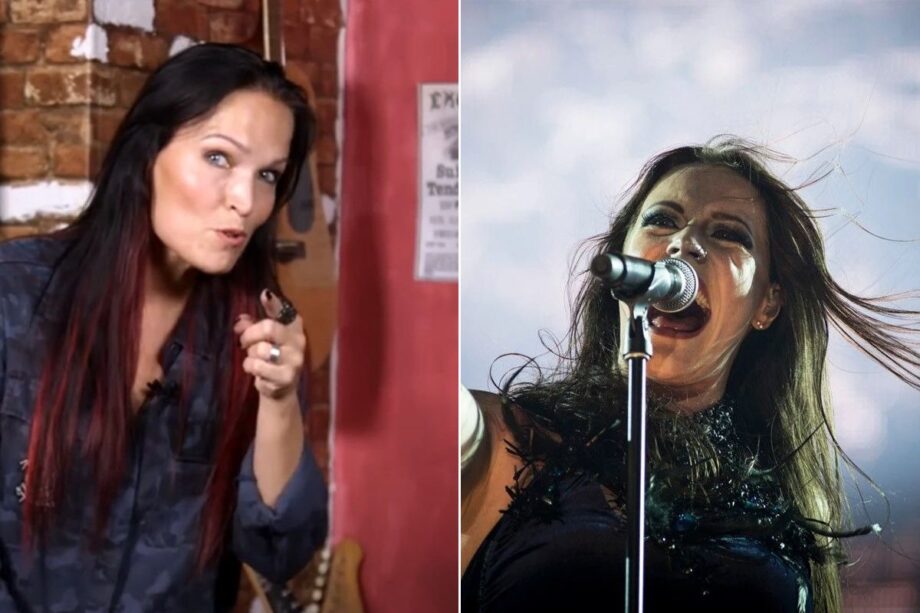
Tarja Turunen has recalled the circumstances of her 2005 departure from Nightwish, saying the band’s public letter about her exit did not reflect who she was, according to Ultimate Guitar.
Nightwish handed Turunen a letter backstage after her final show on October 21, 2005. The band posted the letter online the next day. The letter accused her of missing soundchecks and prioritizing solo ambitions.
Five days later, Turunen responded publicly. “I am sorry that the guys got me so wrong,” she said. “I don’t recognize myself at all from the way they described me.”
Turunen also compared the split to a divorce. She stated that she could have pursued serious legal action over the public nature of her firing.
The comments came during a conversation about Turunen’s exit from the band nearly two decades ago.
The band’s letter, credited to Tuomas Holopainen, contained more specific details about the conflict. According to the letter, Turunen told the band in Germany in December 2004 that she would never tour more than two weeks at a time. The letter also claimed she said “I don’t need Nightwish anymore” on a flight in Toronto and referred to herself as a “guest musician.” Holopainen blamed her changed attitude on her manager and husband, Marcelo Cabuli. Both of them strongly denied these accusations.
Turunen’s account of events differed from the band’s version. At a press conference in Helsinki after her firing, she said she had decided to quit as early as December 2004. She also expressed regret that the news came in a letter rather than face to face. In a 2006 question-and-answer session with Cabuli, she rejected the letter’s portrayal of her as difficult. She explained that she preferred her own dressing room on tour and flew separately because she could not sleep on the smoky, boozy tour bus.
Her public statements about the split have evolved over time. In 2016 she told Metal Hammer the firing came out of nowhere: “I never expected anything like that, and neither did my husband.” In 2022 she said she and Holopainen were on good terms: “I wrote Tuomas a message when his father passed, so we’re fine.” By August 2026, in a Metal Hammer feature, she still described the letter as a plan to damage her reputation publicly, but she also acknowledged her own role, saying: “I probably should have put them through hell.”