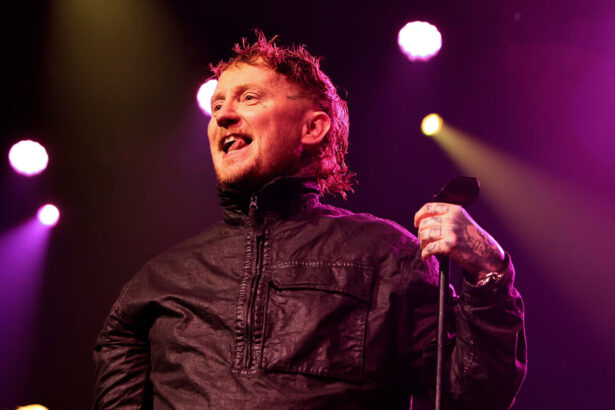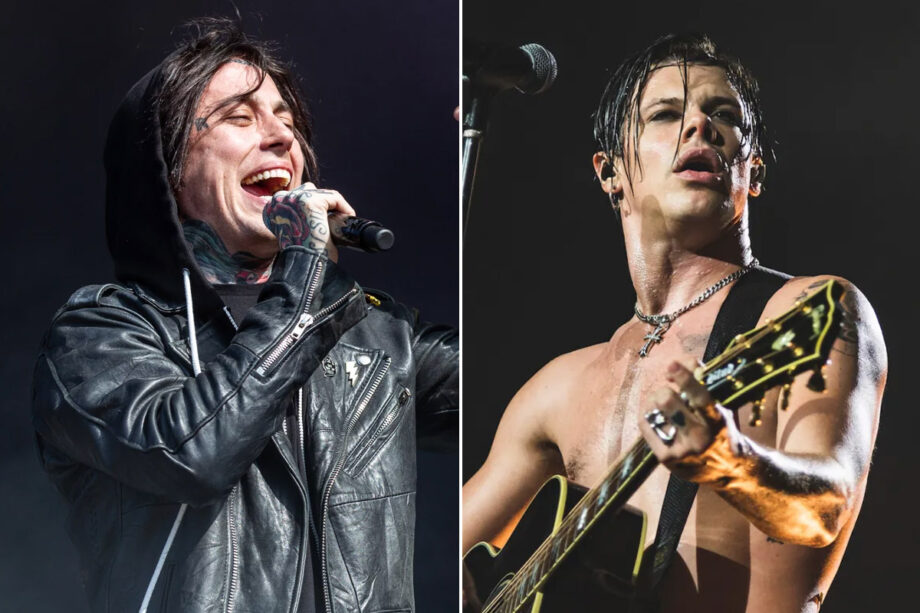
Falling in Reverse frontman Ronnie Radke launched a scathing social media critique against Yungblud after the singer revealed a fully branded private jet with his name painted across the side. Radke commented on a Rock Feed post featuring Yungblud posing in front of the aircraft, calling him a “Silicon Valley tech CEO funded punk rock liberator.” Radke doubled down on his assertion by stating, “This is true idk why people are mad. It’s actual truth.”
The exchange reflects deeper tensions within the alternative music scene regarding authenticity and commercialism. Radke’s critique centers on the perception that Yungblud’s punk rock image and messaging are commercially driven rather than rooted in genuine punk ethos. The private jet, a symbol of wealth and luxury typically associated with mainstream success, became the focal point of Radke’s broader argument about the disconnect between punk rock’s anti-establishment roots and the reality of modern celebrity culture.
The controversy highlights an ongoing debate within rock and punk communities about what constitutes authentic punk rock in the modern era. Yungblud has built his brand around themes of rebellion, inclusivity, and challenging societal norms. He positions himself as a voice for a generation seeking alternative perspectives. However, Radke’s comments suggest that such messaging rings hollow when paired with the trappings of extreme wealth and corporate backing. The fully branded private jet serves as tangible evidence of commercial success that contradicts the anti-capitalist principles traditionally associated with punk rock movements.

The tension between artistic authenticity and commercial success has long plagued the alternative music industry. Artists who achieve mainstream recognition often face accusations of selling out, particularly when their visual presentation and lifestyle choices suggest significant financial resources. The private jet controversy exemplifies this paradox, where the very tools of success become symbols of compromise in the eyes of purists. Radke’s willingness to publicly call out these contradictions reflects a broader conversation happening within rock communities about the price of fame and the difficulty of maintaining credibility while operating within the entertainment industry’s commercial infrastructure.
This incident underscores the complex relationship between punk rock ideology and contemporary celebrity culture. As alternative music has become increasingly mainstream and lucrative, artists navigate the challenge of maintaining their rebellious image while enjoying the financial rewards of their success. The debate between Radke and Yungblud is not merely personal but representative of larger questions about artistic integrity, commercial viability, and the evolving definition of punk rock authenticity in an era where social media amplifies every contradiction and inconsistency.