


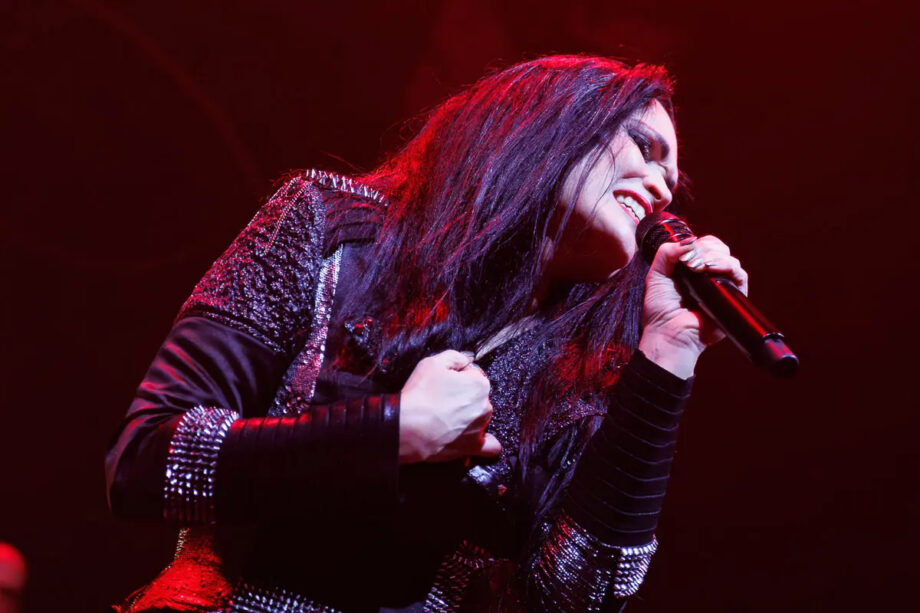
Former Nightwish vocalist Tarja Turunen has harshly criticized the band’s 1997 debut album “Angels Fall First.” She called it the worst record she has ever made and described it as merely a glorified second demo. Turunen explained that her underdeveloped classical vocals at the time made her sound unflattering. She joked that she sounded like she had a potato in her mouth during the recording sessions.
Turunen attributed her vocal struggles during the album’s creation to her ongoing studies at music university and her recent entry into professional opera training. The recording process involved multiple takes and a completely different vocal approach than what she would later become known for. She acknowledged that she simply wasn’t ready for the demands of professional recording at that stage of her career. She lacked proper guidance and mentorship to develop her craft.
The classical vocalist’s self-criticism stands in stark contrast to the album’s commercial success and historical significance. Despite her harsh assessment, “Angels Fall First” achieved gold status. This was a remarkable feat for a debut release that would eventually help define an entirely new subgenre. The album was originally released as a limited 500-copy edition by Spinefarm Records on September 30, 1997. It received a wider Finnish release on November 1, 1997.

Turunen co-founded Nightwish in 1996 alongside keyboardist Tuomas Holopainen and guitarist Emppu Vuorinen. She established herself as a professional classical lied singer with a three-octave vocal range. The debut album showcased her operatic vocals across a blend of power metal, gothic, folk, and classical elements. This combination was virtually unheard of in metal music at the time. Her classically trained soprano voice became the band’s trademark signature and defined their early musical direction. She set them apart from virtually every other metal band of the era.
It wasn’t until the final years of her tenure with Nightwish that Turunen felt genuinely comfortable with her singing abilities and vocal delivery. The album’s recording sessions took place across two separate periods in 1997. Sessions occurred in April and May, followed by September at Kitee Huvikeskus studio. The studio captured a band still finding its footing. What Turunen now views as an underdeveloped demo would ultimately become a landmark release. It helped pioneer symphonic metal as a legitimate genre. Her concerns about the album’s quality proved far harsher than the metal community’s reception would suggest.