

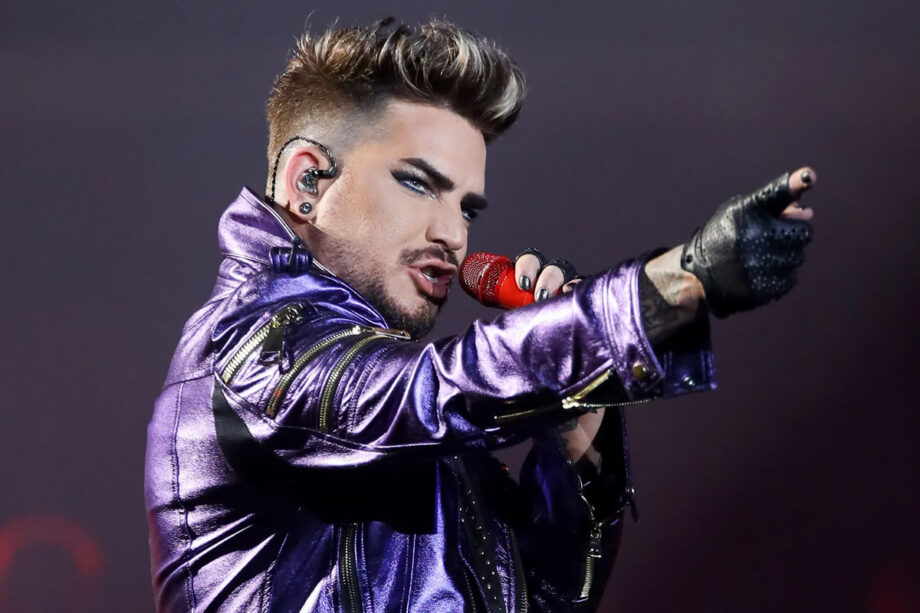
Adam Lambert recently reflected on the backlash he faced following his controversial performance at the American Music Awards. A kiss with another man during his first solo performance sparked significant industry resistance. The Queen singer described the immediate aftermath and the lasting impact on his early career trajectory.
“I had a lot of impostor syndrome at the start of my solo career,” Lambert said. “I was always worried and asking: is this opportunity going to be snatched away from me at any second?” His first solo single was set to launch the very next day after his AMA performance, making the timing particularly challenging.
“The controversy was a total double standard, and I wanted to stick up for myself and say how stupid it was, and that I had done nothing wrong,” he explained. “But behind the scenes, the label freaked out. They felt it was a little too premature for me to be embroiled in something like that.”
The industry’s reaction was swift and severe. Many in the business viewed him as a liability rather than an asset. “A bunch of people got cold feet on me; a lot of radio stations and people in the business thought I was too risky to back,” Lambert stated. “Especially coming off of a show like Idol, which is so family friendly. The message was that what I had done was too edgy and distasteful.”
The 2009 American Music Awards performance of “For Your Entertainment” became a watershed moment in Lambert’s career. It triggered immediate and widespread backlash that extended far beyond social media criticism. ABC network executives responded swiftly to the controversy by canceling his scheduled appearance on Good Morning America just days after the performance aired. The network’s decision reflected broader industry concerns about Lambert’s marketability and suitability for mainstream television programming, effectively sidelining him from prime promotional opportunities at the exact moment his debut single needed maximum exposure.
His record label, RCA, became increasingly cautious about how to position him in the marketplace following the incident. Promotion plans for his album were reportedly shelved or significantly scaled back. The label grappled with how to manage the controversy without further damaging his commercial prospects. The internal panic at the label level demonstrated that the concerns were not merely about artistic expression but about the bottom line and radio-friendly positioning in an industry still grappling with questions of representation and acceptability.

The double standard Lambert identified proved particularly stinging. Similar provocative performances by female artists had long been accepted industry practice without comparable backlash or career consequences. His experience highlighted a fundamental inequality in how the music industry treated male and female performers, particularly regarding sexuality and physical expression on stage. This disparity underscored broader societal attitudes about masculinity, sexuality, and what was deemed appropriate for mainstream consumption.
Despite the immediate career setback, Lambert’s resilience and eventual success with Queen demonstrated that the controversy did not define his long-term trajectory. The moment forced him to confront questions about authenticity, acceptance, and the price of visibility as a queer artist in mainstream entertainment. Looking back, Lambert has acknowledged that the backlash, though painful, ultimately clarified what his career was truly about and strengthened his commitment to artistic integrity over commercial compromise.