


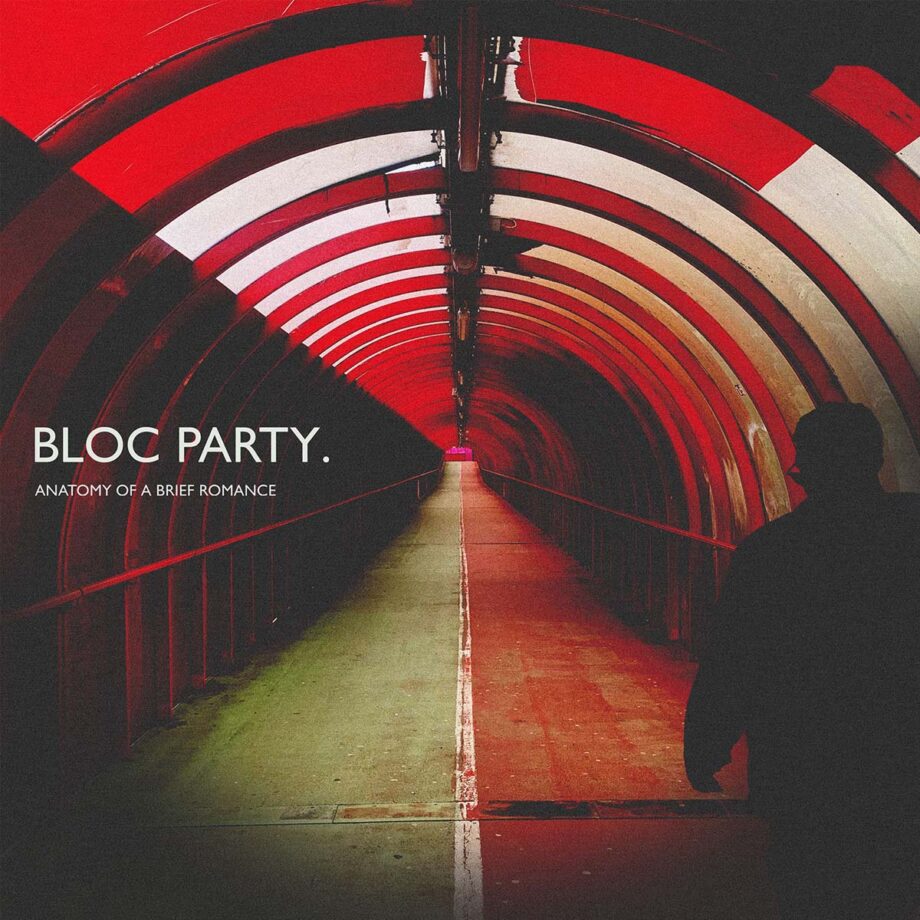
Bloc Party’s seventh album, Anatomy of a Brief Romance, is a late-career record built on a very personal breakup story. After years of shifting focus, the band went back to writing a sharply defined concept album. Kele Okereke uses it to work through love, separation, and what comes after, following a relationship in order across 14 tracks.
That approach gives the record a confessional weight, and it keeps it from sounding like a simple nostalgia play. This is a mature, reflective project from a band well past its early-2000s breakthrough, and it does not try to recreate the sprint of Silent Alarm. Instead, it turns lived experience into a structured narrative.
I hear the album as less of a return to form than a picture of how Bloc Party works now: older, more deliberate, more interested in autobiography than in youth-culture urgency. It reads like a group revisiting its purpose rather than chasing a commercial reset. What matters most is the framing — an intimate relationship becomes the organizing principle for a full-length release, which is a real move for a band with a broad indie-rock legacy and little room left for generic material.

Sonically, the record leans into polished, synth-forward production instead of guitar-led aggression. Trevor Horn’s involvement shapes its glossy surface, and the songs are emotive, pop-leaning, and carefully arranged rather than jagged or abrasive. If you come to this from metal or metalcore, it sits far from anything heavy, but it still shows what good dynamic control and narrative pacing can do.
The concept also makes the album dense, and it can be exhausting in one sitting. That is the tension at the center of the production: the sheen and structure carry the emotional arc, but they can flatten momentum when the writing leans too hard on confession. Even so, the album is more focused than most late-career releases, with a clarity of intent that holds it together.
My overall read is mixed, though it stays consistent on a few points. The album works as a cathartic release and holds to its concept, but it never reaches the band’s strongest work, and it lands best as an organized emotional document rather than as one of their most hook-rich or adventurous records.

Where it falls short, the writing can feel thin, repetitive, and overly diaristic, especially when the intimacy does not turn into enough musical variation. There is a middle ground too, where the record comes across as emotionally direct and often effective, even if its literalism limits how much it invites interpretation.
Listener reaction splits along similar lines, and overall reception sits somewhere in the middle, with public consensus still unsettled shortly after release. Most of the pushback centers on the lyrics and how they are delivered. Listeners either hear a sincere, mature breakup record or hear oversharing and self-indulgence.
The album connects most with people who value confessional songwriting and clear narrative arcs. It lands with less force for anyone looking for surprise, aggression, or a memorable guitar payoff. That is the honest limit of the record.
For modern metal and metalcore listeners, there is still a reason to pay attention to a record outside the usual indie-rock lane. A tight concept, strong sequencing, and controlled production can carry an emotionally charged album, and this is a clear example of that. It is not a heavy record and it does not compete on riff density or aggression, but it is a useful model for turning personal subject matter into a cohesive full-length statement.
Its appeal to heavier listeners is limited, though, because so much depends on investing in Okereke’s narrative voice. My takeaway for readers of a metal publication is less about genre crossover than about craft: structure, emotional specificity, and production polish, even when that polish limits the album’s force.