

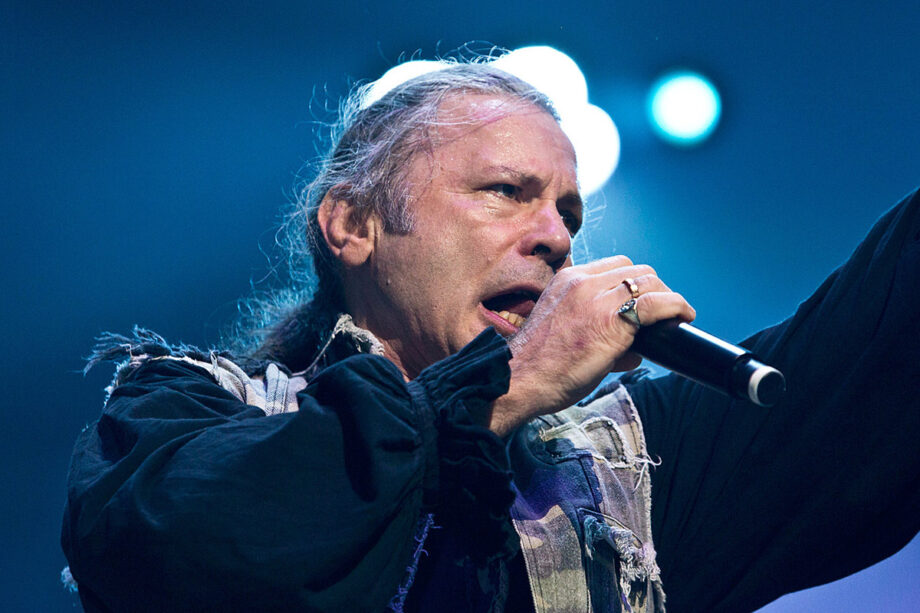
Iron Maiden frontman Bruce Dickinson has delivered a blunt assessment of musicians who continue performing despite vocal decline. He argues that artists lose their “legend” status once they can no longer deliver quality performances. Speaking about the decision of the band’s longtime drummer Nicko McBrain to retire from touring, Dickinson emphasized his own commitment to maintaining performance standards.
“I had an argument with a journalist about retirement,” Dickinson explained. “I said if I can’t do my very best, I’ll pack it in. He said, ‘You can’t do that, you’ve got to go on.’ I said to him, ‘Look, there are loads of singers whose voices are shot and everybody knows it.’ He goes, ‘Yeah, but they’re legends.’ They’re not f*cking legends. They’re people who can’t sing anymore. When they were singing, they were legends. When they can’t sing anymore, they’re not legends anymore.”
The Iron Maiden frontman’s stance reflects a broader conversation within the music industry about artistic integrity and the responsibilities of aging performers. Dickinson’s perspective stands in contrast to the common practice of veteran artists continuing extensive touring schedules well into their later years. Such performances often draw criticism from fans and industry observers who question whether they serve the artists’ legacies.

Dickinson’s commitment to this principle is evident in his approach to Iron Maiden’s ongoing career. The band has maintained a rigorous touring schedule while Dickinson continues to deliver performances that meet his own exacting standards. His refusal to compromise on quality has become a defining characteristic of his professional philosophy. This philosophy extends beyond his work with Iron Maiden to his solo projects and other musical endeavors. His dedication to excellence has allowed him to maintain credibility with both longtime fans and newer audiences who expect nothing less than peak performance from one of heavy metal’s most iconic vocalists.
The drummer’s retirement decision underscores the reality that even the most dedicated musicians must eventually confront the physical limitations that come with age. McBrain’s choice to step away from touring rather than risk diminishing the band’s live experience aligns with Dickinson’s philosophy. Performers have a responsibility to their audiences to deliver their best work. This mutual understanding between bandmates reflects a maturity in how established acts approach the later stages of their careers. They prioritize artistic legacy over the financial incentives of continued touring.
Dickinson remains philosophical about the inevitable passage of time. He acknowledges that vocal decline is a natural part of aging while maintaining that it need not define an artist’s final years. “It’s just a fact of life that one day it may or may not happen,” he stated. “You take each day as it comes, and you try to give the best performance of your life every night. That’s the rules of the game.” This perspective suggests that rather than viewing retirement as failure, Dickinson sees it as the ultimate expression of respect for one’s craft and audience. A final performance honors rather than diminishes a lifetime of artistic achievement.