

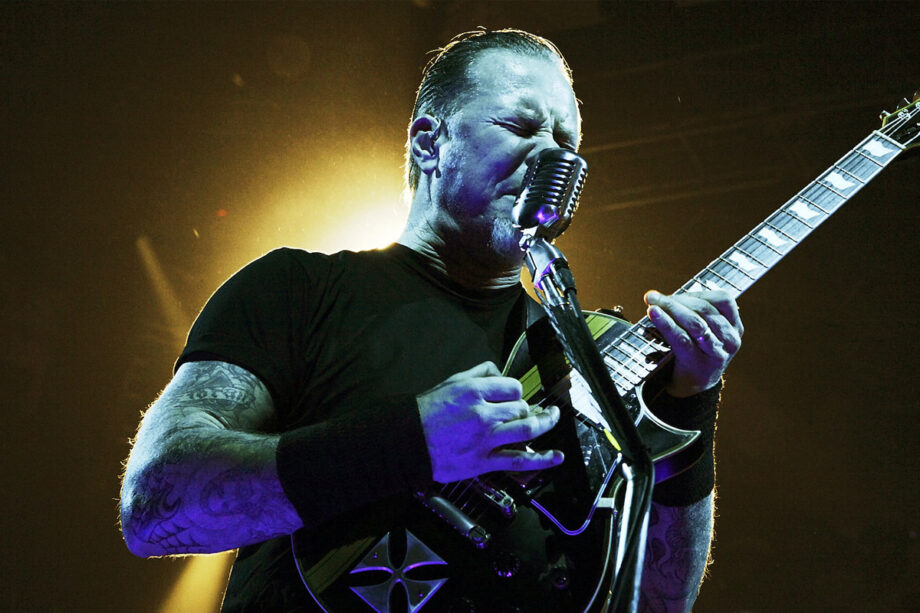
Metallica frontman James Hetfield has opened up about the creative process behind “Fixxxer,” one of the most ambitious tracks from the band’s 1997 album Reload. His personal fascination with New Orleans voodoo culture directly shaped both the lyrical and musical direction of the epic song.
Hetfield explained that the song did not come together overnight. “There was about 40-some-odd songs we were working on, but those long, epic-y songs like ‘Fixxxer’ required extensive development. It was a long work in progress because we knew we had something really special, and we wanted to give it the love it deserves,” he recalled.
The frontman’s creative inspiration ran deep. At that point in his life, he was obsessed with voodoo culture and the whole New Orleans mystique. He became fascinated with the three Xs marked on graves, the legendary voodoo queens, and all the associated imagery. The pins and visual elements surrounding voodoo practices heavily influenced his songwriting approach.

Hetfield’s fascination with voodoo culture provided the conceptual framework for the song’s central metaphor. The imagery of a voodoo doll being manipulated through pins became the perfect vehicle for expressing the song’s themes. He described it as a representation of life’s unpredictable hardships: “It’s like when your life’s going well, someone jabs another pin in your voodoo doll and gives you another challenge. You get to live through that.”
The extended runtime allowed the band to fully develop both the musical and thematic elements that Hetfield had envisioned. “Fixxxer” stands as the final and longest track on Reload, clocking in at over eight minutes. This makes it one of Metallica’s most extended compositions from that era. The meticulous attention Hetfield and his bandmates devoted to its creation is evident in every aspect of the song.
The song’s deeper resonance connects to broader themes that defined the Reload album. The lyrical content, featuring imagery of voodoo dolls pierced with pins, operates as a metaphorical exploration of pain, manipulation, and the forces that shape human experience. This layering of personal obsession with universal emotional themes gave “Fixxxer” its distinctive power and enduring appeal among Metallica’s fanbase.

Hetfield’s willingness to immerse himself in specific cultural imagery and historical references enriched Metallica’s songwriting during the Reload era. His obsession with New Orleans voodoo traditions, grave markers, and the legendary voodoo queens of the region provided not just lyrical content but also a visual and emotional vocabulary. The pins, the dolls, and the ritualistic elements all coalesced into a cohesive artistic statement that reflected both Hetfield’s personal interests and the album’s broader exploration of human struggle and resilience.