


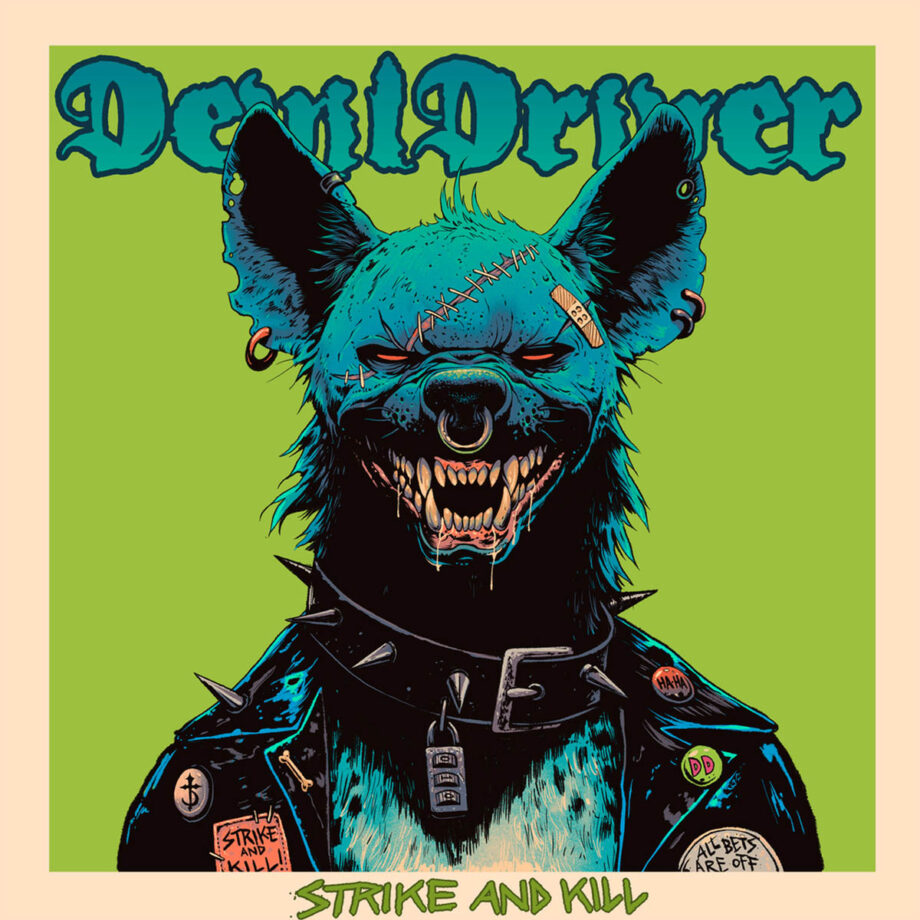
Strike and Kill is a late-career record from a band that has been doing this for over twenty years. DevilDriver aren’t trying to reinvent themselves here. They’re doubling down on what they do best — and it works.
This is a consolidation record. It doesn’t break new ground, but it tightens the screws on the sound DevilDriver built their name on. More songs, more runtime, more variety — it’s a bigger statement than anything they’ve put out in a while.
The timing is worth noting. After a string of releases that split their fanbase, this one feels like a reset. It’s not a transitional album. It’s a direct, confident restatement of who this band is.

The music is groove-heavy and mid-tempo, but it doesn’t feel repetitive. There’s enough structure and melody to keep things moving. The production is muscular without being overcooked — riffs, hooks, and vocals all sit where they should.
Dez Fafara is a big reason this works. His delivery is locked tight to the rhythm of the record. The aggression feels earned, not performed.
The album has been received well, though not without reservations. Some find it a little long. Others think the track count pushes past what the material can sustain. But even the more measured takes agree: this is a strong, well-built record.

Listeners are placing it among DevilDriver’s better recent work. The debate isn’t about quality — it’s about whether every one of the thirteen tracks pulls its weight. That’s a fair question, but it doesn’t undercut the overall impression.
For metal fans who prefer riffs over concepts and groove over experimentation, Strike and Kill delivers. It’s not chasing trends. It’s not trying to appeal to a new audience. It’s a heavy, direct record that knows exactly what it is.
There’s still a place for veteran bands that sharpen their sound instead of overhauling it. This album makes that case clearly. Both longtime fans and newer listeners who like their metal straightforward will find something here.