


The conversation around AI in music usually revolves around one thing: generating songs with the click of a button. Over the past year, the internet has been flooded with standalone tracks that sound increasingly realistic but lack any real identity. Enter RockAgent. The newly launched platform is making a rather bold claim: that it isn’t just another audio generator, but an entire publishing and promotion ecosystem designed to create full-fledged musical “acts.”
Naturally, in an industry built on authenticity, raw energy, and human connection, a statement like that raises more than a few eyebrows. We sat down with Feyyaz Ustaer, Founder & CEO of RockAgent, to cut through the tech jargon and ask the tough questions: what are they actually trying to solve, how do they differ from the endless sea of AI tools, and does an AI-native “artist” even belong in this scene?
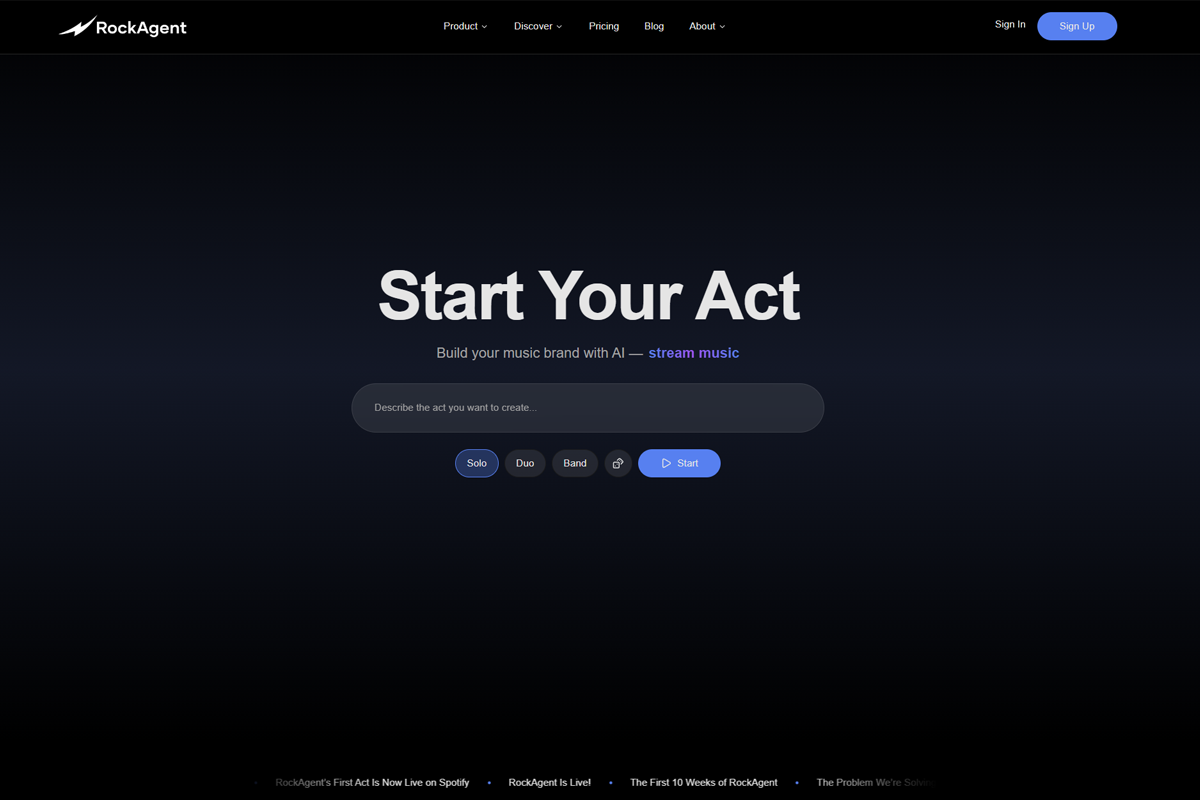
MHZ: Let’s get straight to the point. What exactly is RockAgent trying to solve that isn’t already being addressed, and why launch this right now?
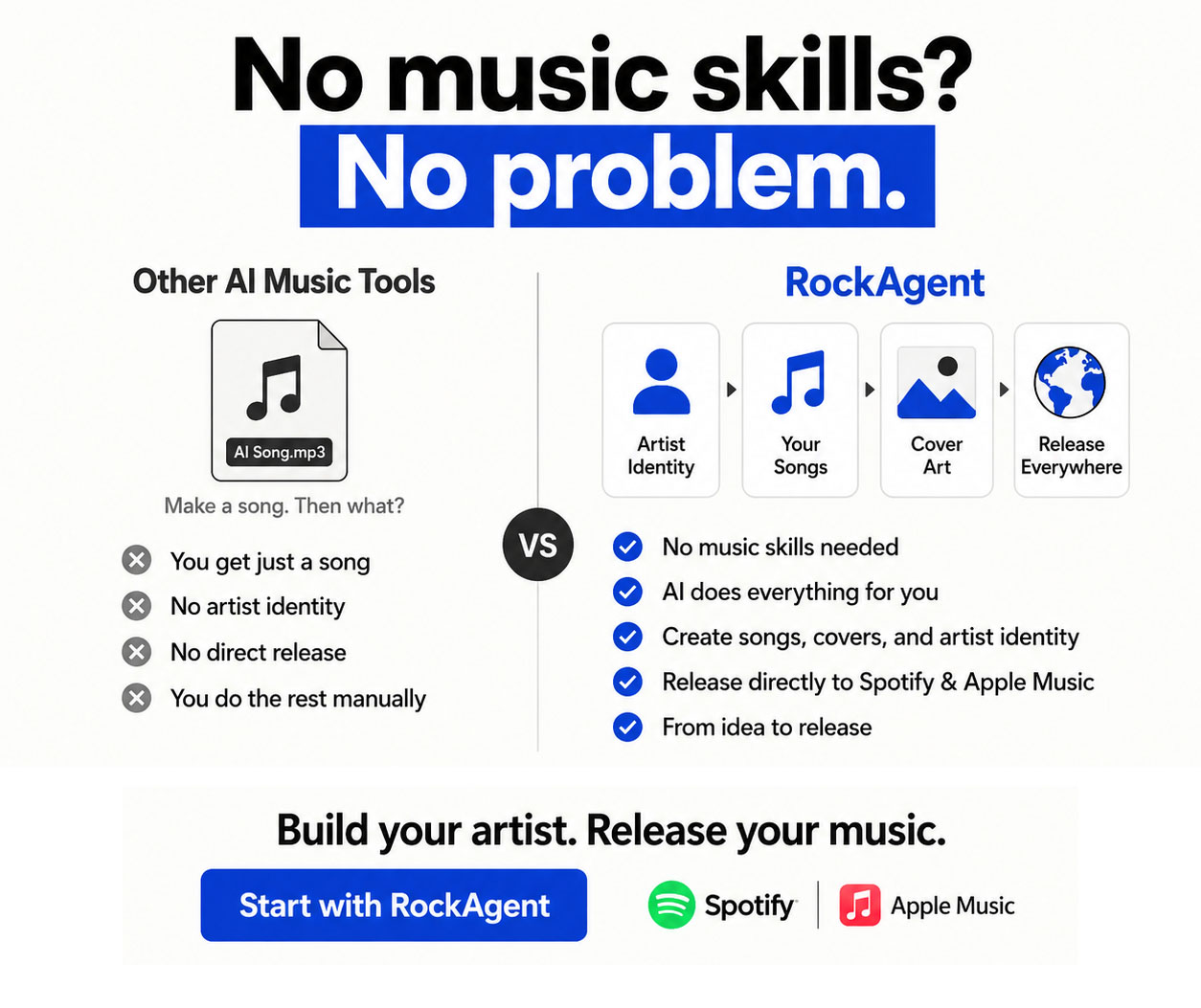
Feyyaz: As you know, there’s been a massive explosion in AI-powered music generation tools recently. With this boom, even people with zero musical or instrumental background have started making music. But here’s the crucial missing piece. Throughout history, simply making music was never the actual problem. Turning it into a professional identity and marketing it was the problem. And it still is. That’s exactly what we are here to solve.
MHZ: But looking at the current landscape, tools like Suno and Udio are already generating music. How does RockAgent actually differentiate itself?
Feyyaz: Those tools are heavily focused on the production side of things. We, on the other hand, are entirely focused on the promotion, identity-building, and marketing side.

MHZ: You introduced this idea of building an “Act.” Is this genuinely a new functional concept, or are we just looking at clever rebranding?
Feyyaz: Actually, our main point of reference here is the classic concept of a “band.” To be a traditional band, you naturally need multiple people. But today, you no longer need a group of people to make music or form a band; you can achieve all of that entirely on your own. We are bringing these “AI-native” musicians together under the identity of an “Act.”
MHZ: That brings up a massive friction point for a lot of people. The idea of someone with absolutely zero musical background suddenly becoming an “artist” overnight… doesn’t that inherently devalue music itself?
Feyyaz: In the initial stages, yes, there is a risk of that. But moving forward, this concept will inevitably create its own class of professionals. Users who have a better ear for music, who are more skilled at crafting music through prompts, and who possess a higher sense of musical taste will start creating AI-generated tracks that truly resonate with listeners. That’s how they’ll separate themselves from the pack. We aim to be the operating system for that specific crowd that stands out.
MHZ: Speaking of that traditional resistance, your name literally has “Rock” in it. How do you expect AI production to be received in genres like rock and metal that are so intensely focused on “authenticity”?
Feyyaz: We aren’t exclusively targeting the rock and metal demographic. We’ve developed a platform that anyone can use to produce music across all genres. The word “Rock” in our name is an emphasis on the “rockstar” attitude. You don’t actually have to make rock music to be a rockstar.
MHZ: Let’s look at the actual logistics of getting this to the listener. What exactly is your role in the process of submitting to platforms like Spotify? Are you an actual distributor, or just a middleman?
Feyyaz: RockAgent is not a distributor; we are a platform that completely streamlines the distribution process. Users prepare and package all their content through our system, but the actual publishing process is handled through third-party distributors.
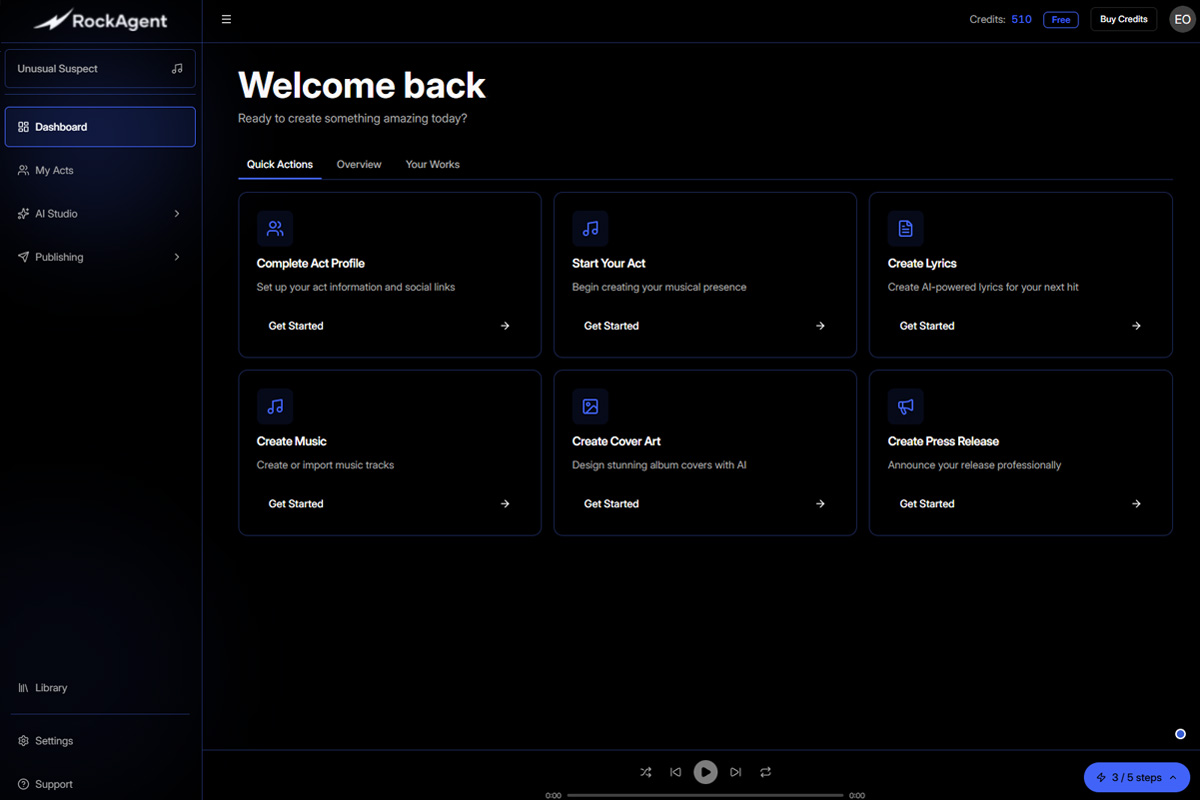
Whether this new operating system for “AI-native musicians” will actually resonate with listeners or simply add to the digital noise remains to be seen. RockAgent is officially live, and while their approach notably shifts the focus from mere audio generation to distribution and identity-building, the core debate around authenticity in music is far from settled. The tools to automate a digital band’s entire rollout are now publicly available, but as the platform itself acknowledges, only time will tell if these generated acts can command the same respect and build the same audience.