

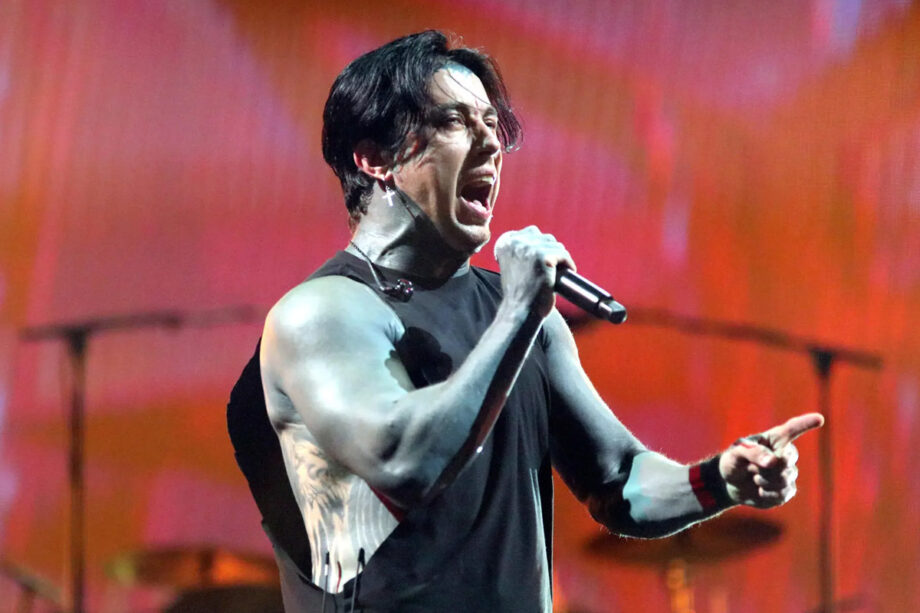
Falling in Reverse frontman Ronnie Radke has expressed his fury on social media after multiple entertainment outlets omitted his band’s name from their headlines and coverage of Oscar-winning actor Javier Bardem’s recent interview. Bardem explicitly credited Falling in Reverse, Slipknot, and Linkin Park for helping him channel his psychopath character in the upcoming Apple TV+ series Cape Fear.
Radke called out the media outlets for their selective reporting. “Purposely leaving my band out of the article when he specifically stated my band. This is why I will never respect these media sites. You can’t erase someone like me,” Radke declared on social media.
The controversy stems from Bardem’s candid interview where he detailed the musical influences that shaped his preparation for the role of Max Cady. The Spanish actor revealed that he listened to specific tracks to help him embody the character’s dark and violent nature, drawing inspiration from rock and metal’s most influential acts.

Bardem’s musical selections for the role were carefully curated to match the psychological intensity required for his character. He explained that he specifically chose songs expressing frustration and the struggle for personal redemption, themes that resonated deeply with the character he was portraying. Among the tracks he mentioned were “Given Up” by Linkin Park, featuring the late Chester Bennington, and “Up From The Bottom” from Linkin Park’s latest album From Zero. Bardem praised the album for showcasing the vocal talents of new band member Emily Armstrong, noting that Armstrong’s performance brought fresh energy to the band’s sound while maintaining the emotional weight the character demanded.
Beyond Linkin Park, Bardem’s preparation playlist extended to other heavy hitters in the metal and post-hardcore scene. The actor acknowledged that while he struggled to recall specific song titles, the music from Slipknot, Falling in Reverse, and Bad Omens remained in his head throughout his preparation process. This diverse selection of artists demonstrated Bardem’s commitment to understanding the raw emotional power that modern metal and post-hardcore music could provide for character development.
The omission of Falling in Reverse from major media headlines appears particularly egregious given Bardem’s explicit mention of the band alongside industry giants like Linkin Park and Slipknot. Several entertainment outlets chose to focus their coverage on the more established acts, effectively sidelining Radke’s band despite Bardem’s clear acknowledgment of their influence on his performance. This selective reporting has become a point of contention for Radke, who views it as part of a larger pattern of media gatekeeping within the entertainment industry.

Radke’s frustration reflects a broader tension between emerging and established acts in the music industry. Media coverage can significantly impact a band’s visibility and cultural relevance. The incident underscores how editorial choices in headline writing and story framing can shape public perception of an artist’s influence and importance, even when the original source material clearly credits all parties involved.