


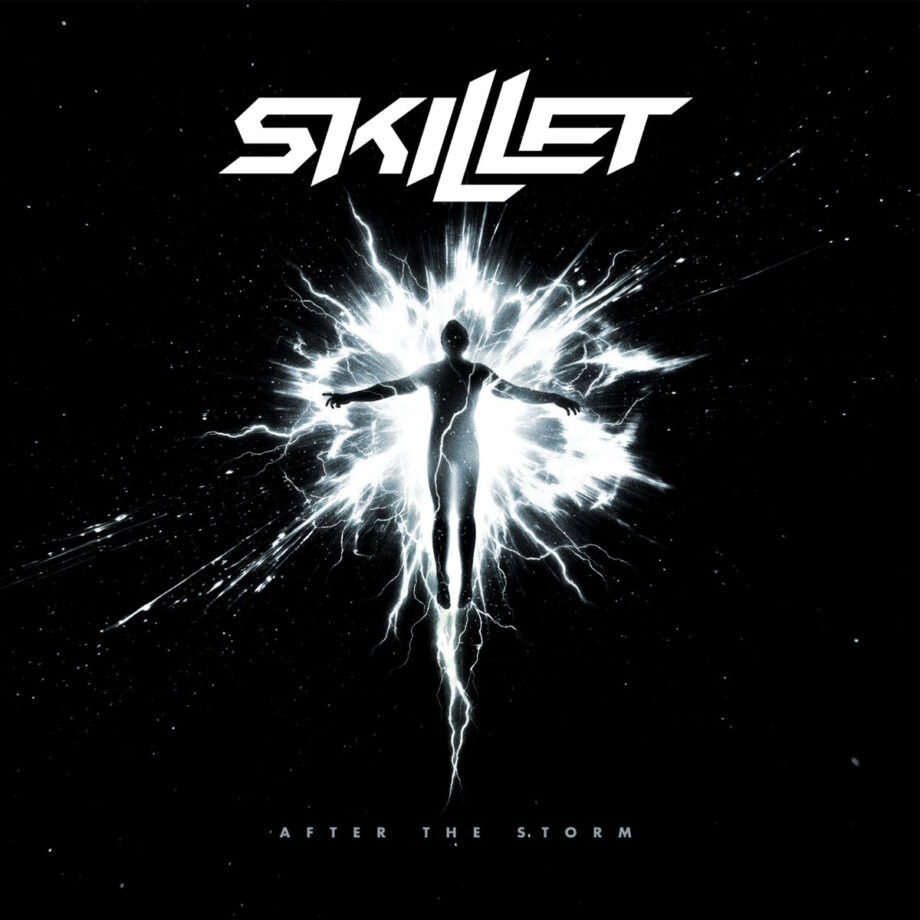
Skillet’s After the Storm came out on 9 October 2026. It is a six-song independent EP, and it lands during the band’s 30th-anniversary period. The record sounds personal and heavier than usual, but there is still not enough writing about it to call a critical consensus or describe fan reaction in detail.
Across the six tracks, the songs deal with hurt, betrayal, and recovery. They still carry the hopeful tone the band is known for.
The EP arrives at a telling moment. Skillet has been active for three decades, and this time it is putting the record out on its own through Hear It Loud. It follows the single “Scream,” and the band still reaches one of the biggest audiences of its career.

It also marks a transition. The songs come out of a hard personal and religious stretch for frontman John Cooper, which makes the release less a celebration of the anniversary than a record about getting through something. That is why the title matters so much here, though it says nothing yet about where the EP sits in the band’s wider catalog.
The EP sounds heavier than some of Skillet’s more accessible recent work. David Cowell of Sleep Theory produced it with Korey Cooper, and the band goes back to heavier roots. The six song titles point to confrontation, uplift, spiritual doubt, and recovery.
The sound is built on strong guitars and big hooks rather than a sudden change of style. Heavy guitar work and stadium-sized choruses fill a tight six-song format. Until reviews dig into the finished mixes track by track, the fairest thing to say is that this is Skillet doing what it does, only heavier.

There is no settled critical opinion yet. The record has been described as vulnerable and full of angst, but also hopeful, and most of what exists is feature writing rather than criticism. Writers have reported the announcement and the musical direction without giving a verdict on the EP as a whole.
That gap matters. Calling the EP widely praised, divisive, or definitive would go beyond what is known. A real judgment has to wait for reviews that weigh the songs, the performances, the sequencing, and the production together.
There is also not enough verifiable fan discussion yet to describe a consensus. The EP is up on the major streaming services, but those pages only show that it is out and list the tracks.
So any reading of fan reaction is a guess for now. The clearest signals are the heavier guitars, the direct emotional subject matter, and the idea of hope after a bad stretch. Whether long-time listeners are satisfied or newer metalcore fans take to it is still unknown.
For modern metal and metalcore listeners, this EP is interesting because an established arena-rock band is using the independent-release model and leaning on heavier guitars and plain emotional themes. It is presented as a return to punchier, heavier music, with both personal pain and hope in the writing.
The bigger point is not that Skillet reinvented itself. It is that the band is adapting a familiar sound to a later point in its career. After the Storm is a short, self-released statement that may interest anyone who likes polished heavy rock, metalcore-adjacent hooks, and songwriting shaped by faith. How much it matters in the long run will be decided by fuller reviews and more discussion.