


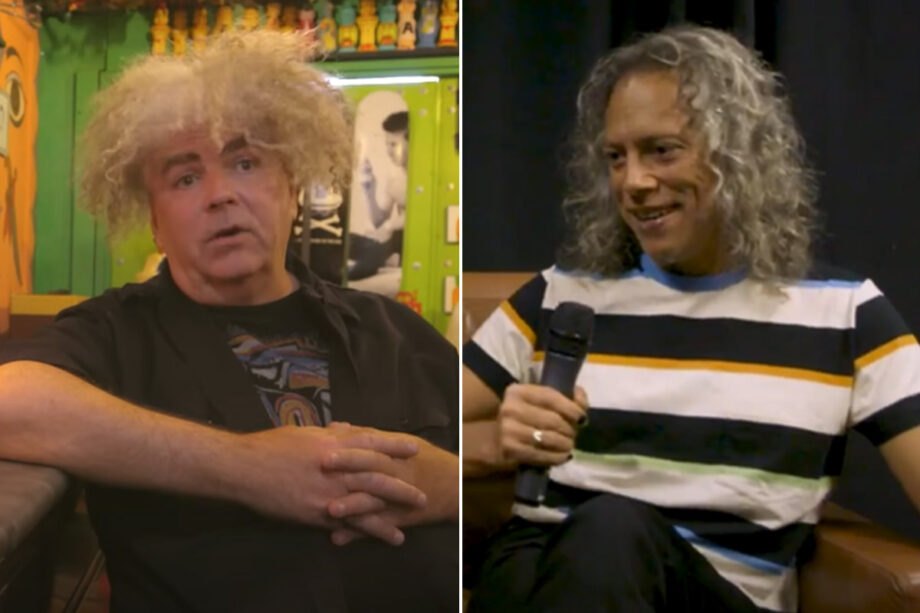
Melvins frontman Buzz Osborne revealed details about Kirk Hammett’s guitar acquisition in a recent interview on the Garza Podcast. The legendary instrument previously belonged to Fleetwood Mac founder Peter Green and Thin Lizzy guitarist Gary Moore.
“I think the guy from Metallica bought his original guitar who he had sold to Gary Moore who played in Thin Lizzy,” Osborne said. “And then when he died his estate I believe sold it to Kirk Hammett.”
“I think he paid two million bucks for it or something,” Osborne continued. “Because I asked him and I met him and I had the guitar and I got to hold it. And I go, ‘Did you get into Peter Green as a result of Judas Priest?’ He says, ‘Oh yeah.’ Same as me. Well, he’s got the money for it. I understand why he would want it. That’s Peter Green’s guitar.”

The historic instrument, known as “Greeny,” holds a significant place in rock music history. It has passed through the hands of several influential guitarists throughout its journey.
The Birth Of A Legend
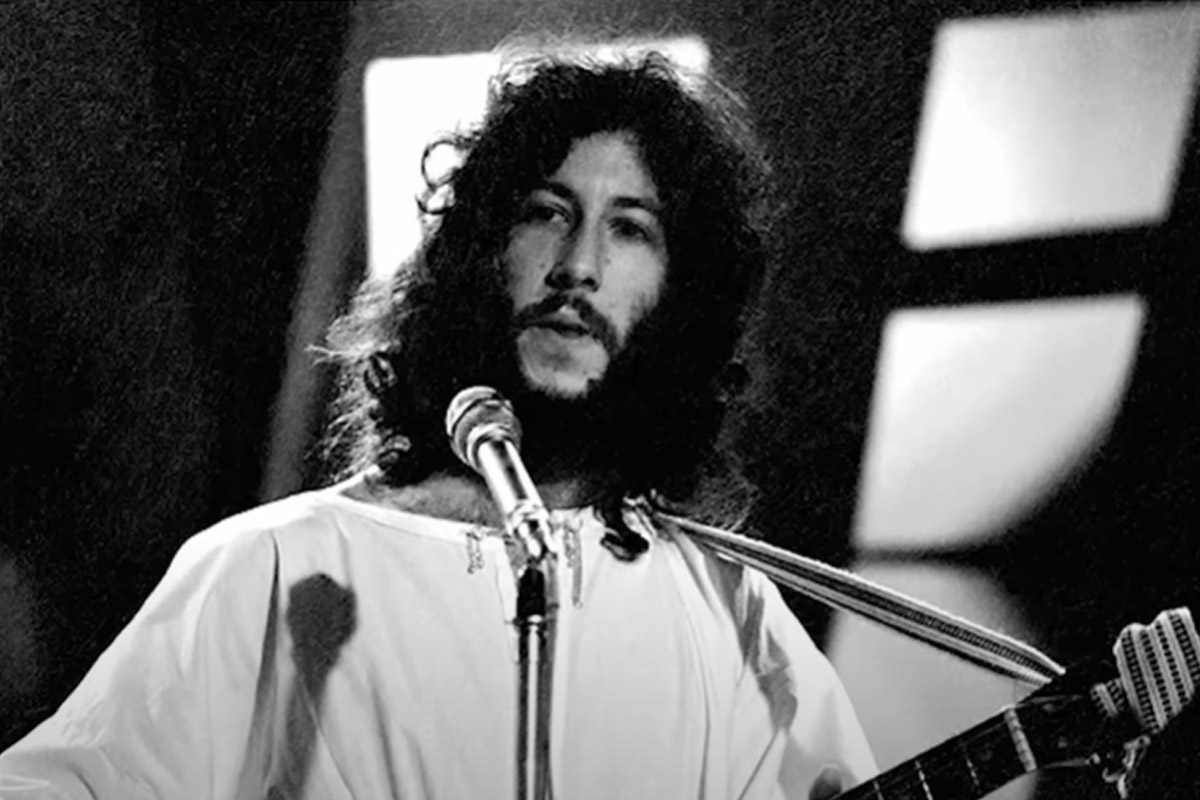
Historical documentation shows the instrument is a 1959 Gibson Les Paul Standard. Peter Green acquired it in the mid-1960s while performing with John Mayall’s Bluesbreakers. The guitar earned its legendary status through a unique modification.
Guitar World noted that the guitar’s distinctive tone emerged from an accidental modification. The neck pickup was installed with a reversed magnet, creating a unique out-of-phase sound in the middle switch position.

Gary Moore’s Legacy

Far Out Magazine documented Green’s sale of the guitar to Gary Moore in 1970. The price was a fraction of its current value. Moore used the instrument extensively throughout his 25-year career with Thin Lizzy and his solo projects.
Moore’s connection to the guitar ran deep. He recorded a tribute album titled ‘Blues for Greeny’ in 1995 to honor Peter Green and the legendary instrument.
Historical Significance

Gibson highlighted the guitar’s presence on numerous classic recordings. It featured prominently on Fleetwood Mac hits like ‘Oh Well’ and ‘Albatross’ during Green’s ownership.
The instrument’s path from Green to Moore and finally to Hammett represents more than ownership changes. It symbolizes rock music’s evolution through three generations of legendary guitarists, each contributing their own chapter to its remarkable history.