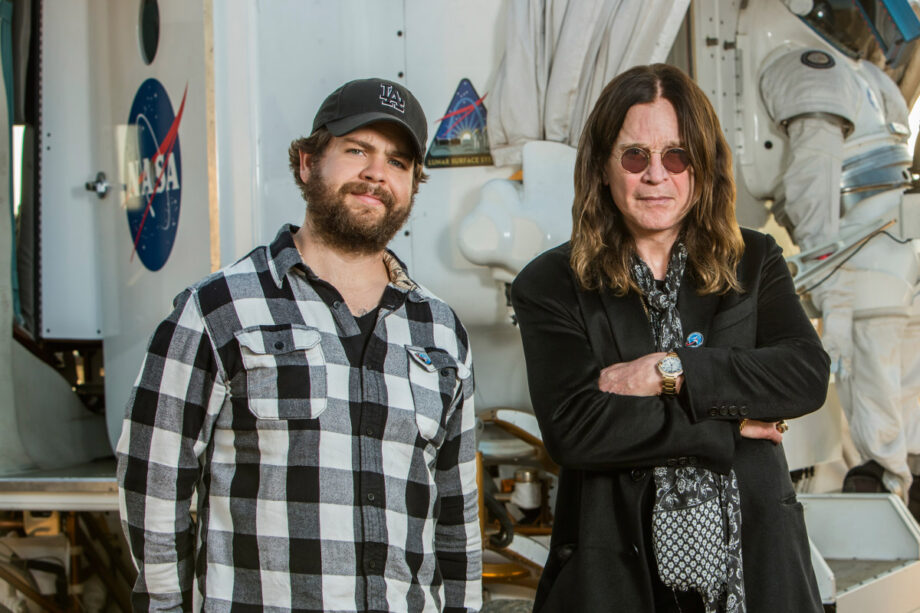
Jack Osbourne, son of legendary rock icon Ozzy Osbourne, has drawn severe criticism from fans of his father after attending the UFC Freedom 250 event at the White House. The event marked the first-ever UFC fight card hosted on the White House grounds as part of America’s 250th anniversary celebrations. It took place on June 14, 2026.
Jack posted about the experience on Instagram with the caption “Ultimate Date Night! UFC FREEDOM 250,” alongside a photo with his wife. The post immediately sparked outrage among Ozzy Osbourne’s fanbase. They viewed his attendance as a direct contradiction to the anti-war legacy that defined the Black Sabbath frontman’s career.
One commenter expressed their disappointment bluntly: “This is insane. I’m so sad to see this.” Another fan took a more sardonic approach, writing “Ozzy rolling in his grave.” A third critic highlighted what they perceived as hypocrisy in Jack’s actions.

The most pointed criticism came from a fan who noted the apparent contradiction in Jack’s public statements. The commenter wrote: “Jack, who recently said celebrities shouldn’t share their political opinions…. Who by the way is a nepo baby with a platform because his Father wrote songs such as War Pigs, you know…sharing his political opinions.” This observation struck at the heart of the backlash. Jack’s attendance at what many view as a politically charged event seemed to contradict both his family’s legendary anti-establishment stance and his own stated position on celebrity political involvement.
The UFC Freedom 250 event has drawn both support and criticism nationwide. Detractors characterize it as a profit-driven political stunt rather than a purely sporting spectacle. The event’s association with the current administration has made it a flashpoint for broader cultural and political debates. What might otherwise be a routine sporting event has transformed into a symbol of political alignment. The backlash against Jack Osbourne reflects this larger tension, as fans view his participation through the lens of his family’s storied history of challenging authority and questioning war.
Ozzy Osbourne’s musical legacy was built on songs like “War Pigs” that explicitly condemned military conflict and political corruption. This legacy has long positioned the Osbourne family as voices of rock and roll rebellion. For many fans, Jack’s attendance at the White House event represented a departure from that tradition. It appeared to prioritize personal ambition or social climbing over the values that made his father an icon. The criticism underscores how deeply fans connect celebrity actions to the artistic principles their families have championed. That connection can fracture quickly when perceived as betrayed.

Jack Osbourne’s position as a public figure with a substantial platform derives largely from his family name and his father’s groundbreaking work in music and television. This places him in a unique position where his choices carry symbolic weight beyond their surface meaning. The backlash suggests that fans expect those who benefit from a legacy of anti-establishment sentiment to maintain some fidelity to those principles. Alternatively, they should acknowledge the contradiction when they diverge from them.