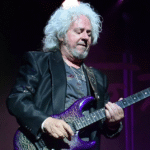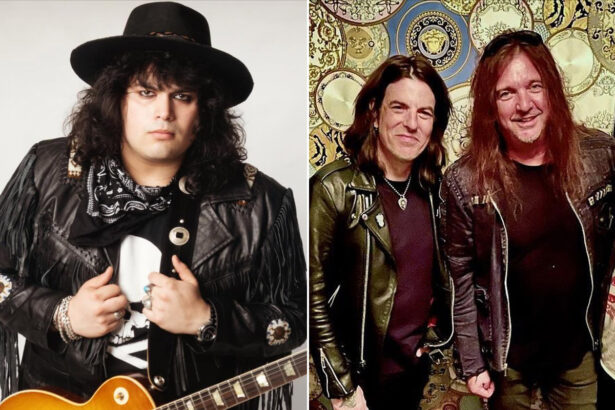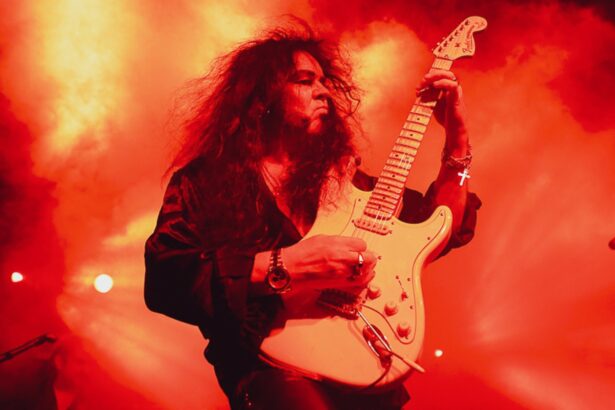


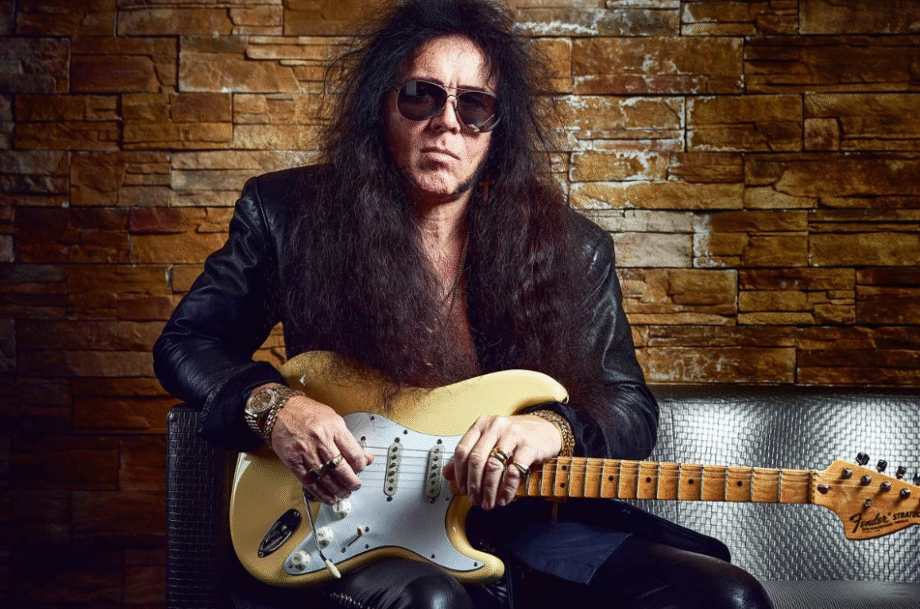
Alcatrazz co-founder and keyboardist Jimmy Waldo recently shared his thoughts on Yngwie Malmsteen’s financial success and business methods. In an interview with Full in Bloom, Waldo discussed how Malmsteen’s solo career structure sets him apart from traditional band models—an approach that has significantly increased his personal wealth.
“Because you figure if you make 10 grand and you’re a band, you take the expenses off and you split it up. Whereas Yngwie, I know for a fact, in the beginning especially, he was just taking all the money and paying people sh*t,” Waldo said.
According to Waldo, Malmsteen continues to maintain strict control over both his finances and his creative work. He pointed out that Malmsteen currently performs with a lean lineup to cut costs.

“Even today, you know, he, to save money, he just has Nick, the keyboard player, and a drummer and a bass player. And then Yngwie, he doesn’t want to pay a singer. So Nick (Marino) and him do the singing. So Nick’s getting paid to be a keyboard player, singer. And then he just changes bass players and drummers at whatever,” Waldo explained.
Waldo also emphasized Malmsteen’s preference for studio precision over live performance authenticity, noting his use of drum machines instead of live drummers.
“[He uses] drum machine. So he doesn’t have to pay a drummer. … Yngwie had it studio uh in Miami. He could have cut drums. Stupid thing is he had the money to cut 2,000 bucks you get a drummer and cut drums. Cut real drums. Yngwie wants control. He wants control of every beat,” Waldo continued.

Waldo’s comments shed light on Malmsteen’s cost-conscious strategy—a calculated system that has sustained his wealth for more than four decades. Though his fame is built on guitar virtuosity, his financial success lies in a well-structured solo career model that maximizes personal profit.
Celebrity Net Worth estimates Yngwie Malmsteen’s fortune to be between $10 and $20 million, accumulated mainly through his groundbreaking work as a neoclassical metal guitarist. His earnings stem from global album sales of iconic releases such as Rising Force (1984), Marching Out, Trilogy, and Odyssey, which cemented his reputation in the early 1980s.
According to Louder Sound, Malmsteen has maintained a loyal fanbase through steady touring and continuous releases—over 30 solo albums to date—creating revenue streams that far surpass what band members typically earn from shared income.
Beyond music sales and touring, Malmsteen’s wealth also comes from endorsements with leading brands like Fender and Marshall, as well as merchandise, signature guitar models, and royalties from his vast catalog and streaming platforms. These multiple income sources enable him to retain both artistic freedom and financial independence—just as Waldo described.
Malmsteen’s approach highlights a core truth in the music business: solo artists who control their brand and finances can amass far more wealth than those in collaborative groups. His strategic use of minimal personnel and cost-effective production methods has been key to his enduring prosperity, reinforcing Waldo’s depiction of how the Swedish guitarist built his financial empire.