

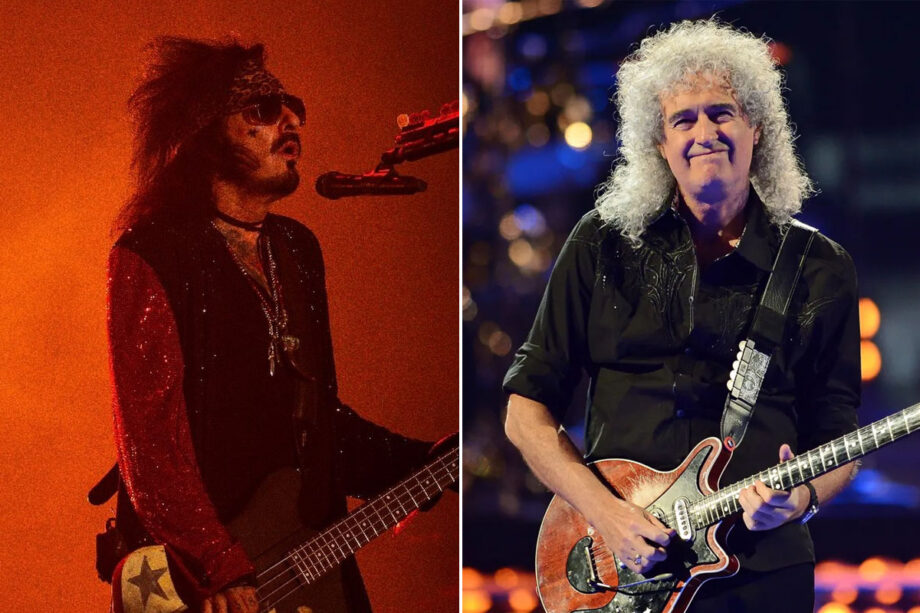
Mötley Crüe bassist Nikki Sixx has responded to fan questions about the band’s use of backing tracks during live performances. Sixx offered a candid explanation for the practice, noting that the band employs backing tracks to recreate the complex orchestral and instrumental elements that were recorded in the studio but would be impossible to perform live with the current lineup.
“Since we saw Queen using some to help during the song Bohemian Rhapsody live, we understood that we could bring in elements that we could not do live like orchestras, saxophones, etc., etc. and sync them up with what we are playing and we do play 100% live,” Sixx stated during a Q&A session on his X account. He further emphasized the benefits of this approach: “And it’s better for the fans and we enjoy being able to do what we did in the Studio live. It’s a win win for us.”
When another fan questioned why the band doesn’t perform entirely without backing tracks, Sixx was direct in his response: “We do. You were lied to. Sorry.” This clarification underscores the band’s commitment to delivering a complete live experience while maintaining the integrity of their recorded material.

The practice of using supplemental audio in live performances is far from new in rock music. Queen’s “Bohemian Rhapsody” stands as one of the most famous examples of this approach. The song’s complex operatic and orchestral sections require pre-recorded elements to be faithfully reproduced on stage. The six-minute suite, written by Freddie Mercury, consists of multiple distinct sections including an intro, ballad segment, operatic passage, hard rock part, and reflective coda. A structure of this complexity would be extraordinarily difficult to execute live without technological assistance.
Mötley Crüe has been transparent about their use of technology in live settings for decades. The band has utilized sequences, backing vocal tracks, and sub tones since 1987 to enrich their live sound. This practice has become increasingly common among classic rock acts seeking to maintain the sonic density of their studio recordings. Rather than viewing this as a compromise, the band frames it as an enhancement that allows them to deliver the full scope of their musical vision to audiences.
The distinction Sixx makes is important: the band members themselves perform live while backing tracks provide the additional layers that would otherwise require a significantly larger ensemble on stage. This approach allows Mötley Crüe to maintain the orchestral richness and complexity of their studio work while keeping the core band performance authentic and uncompromised. The practice reflects a broader industry standard where bands balance the technical limitations of live performance with the expectations set by their recorded catalog.