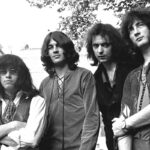



Geddy Lee recently revisited an awkward early band moment that nearly derailed a Rush rehearsal. He offered insight into the beginnings of his lifelong bond with Alex Lifeson and the chemistry that defined Rush’s rise.
“I said, ‘I gotta go home. How do I come down from this stuff?’ And [Lifeson] went, ‘You gotta drink Coca Cola. It brings you down,'” Lee recalled in the interview with Louder Sound.
The anecdote sheds light on the experimental nature of Rush’s early years, when the band members were still finding their footing both musically and personally. This candid moment reveals not only the youthful indiscretions of the era but also the quick thinking and camaraderie that would become hallmarks of the legendary progressive rock trio.

Geddy Lee and Alex Lifeson developed their musical chemistry during their junior high years. They met and began jamming together almost daily after school at Lifeson’s parents’ place, according to Wikipedia. This early connection formed the foundation for what would become one of rock music’s most enduring partnerships. The pair’s dedication to their craft was evident from the start, as they spent roughly two hours nearly every day playing together, developing a deep shared passion for music and the rock artists of the era.
During these formative sessions, Lee and Lifeson covered songs by artists including Cream, Jimi Hendrix, and John Mayall. They honed their skills and built the musical vocabulary that would later define Rush’s innovative sound. This intensive practice regimen established a bond between the two musicians that would sustain them through decades of touring, recording, and creative evolution.
Rush was officially formed in August 1968 in the Willowdale neighborhood of Toronto, according to Rush.com. The original lineup included Alex Lifeson on guitar, Jeff Jones on bass and vocals, and drummer John Rutsey. Geddy Lee soon joined the band and replaced Jones, bringing his distinctive vocal style and multi-instrumental abilities to the group. This early configuration marked the beginning of Rush’s journey from a local Toronto band to progressive rock pioneers.

The band’s initial performances were modest, beginning with gigs at coffeehouses and youth centers like the Coff-Inn in Toronto in 1968. These humble beginnings were crucial to developing the tight musicianship and stage presence that would eventually capture the attention of larger audiences and industry professionals.
By the early 1970s, Rush performed covers and original material in small clubs before eventually becoming an opening act for major bands like Aerosmith, Kiss, and Blue Öyster Cult, according to Our Mind on Music. The breakthrough came when Cleveland radio station WMMS began playing their track “Working Man” from their 1974 debut album. This led to a record deal with Mercury Records and launched the band into the mainstream consciousness.