

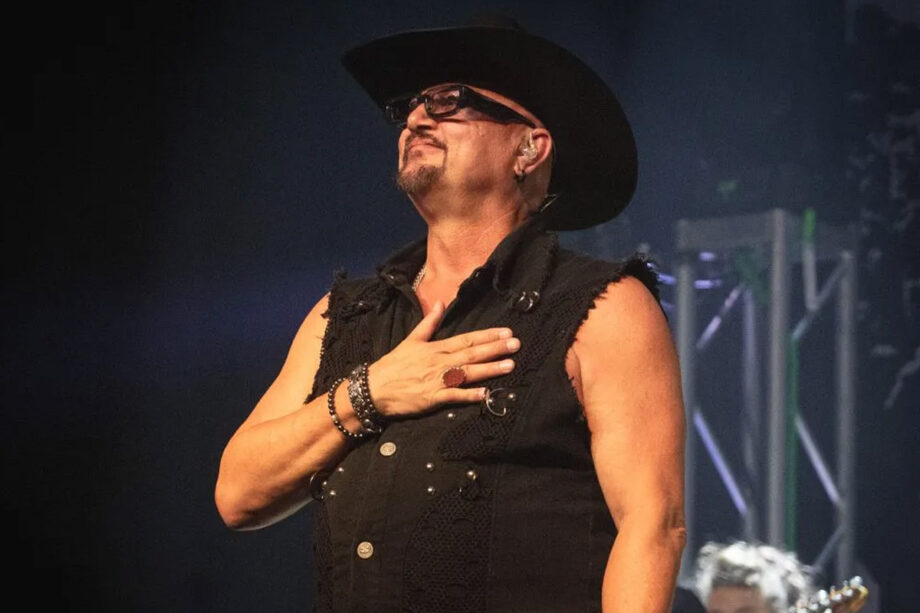
Former Queensrÿche frontman Geoff Tate recently opened up about his 30-year tenure with the legendary progressive metal band in an interview published on Cassius Morris Official. The discussion centered on the challenges and darker aspects of maintaining one of rock’s most successful acts.
“I have some horrible memories from making some of the records, too,” Tate said, acknowledging the difficult experiences alongside the creative achievements. “The past is the past and you have to get on and live your life and do what you love to do.”
Tate elaborated on the band’s internal dynamics, revealing that personal conflicts often overshadowed their professional accomplishments. “Queensrÿche, when we were together there were some bitter people, you know, that weren’t very happy in their position they were,” he explained. “You’re kind of stuck together in a sense because you started this thing and you’re making it work. You tend to just accept those difficult problematic situations and deal with them because you have this very special thing that most people don’t have and most people don’t experience.”

Despite the toxic environment, Tate expressed pride in the band’s legacy. His current musical endeavors have provided a healthier working environment. “I have a wonderful band, a group of people that plays my music with me every night. I’m surrounded by people who love what they’re doing and they’re happy doing it,” he concluded.
While Tate has found peace with his past, the reality of Queensrÿche’s final chapter was far more turbulent than his measured reflections suggest. The band’s internal conflicts ultimately led to a dramatic split that would define the latter part of his career and reshape the band’s future entirely.
The breaking point came in 2012 when original members Michael Wilton (guitar), Scott Rockenfield (drums), and Eddie Jackson (bass) fired Tate from the band he had fronted for three decades. This dismissal sparked a nearly two-year legal battle over the rights to the Queensrÿche name, as reported by Blabbermouth. Tate sued to retain control of the band’s legacy while the remaining members countersued him.

The legal conflict underscored the depth of the personal rifts that had developed within the band. What had once been a unified creative force had fractured into opposing camps. Each side fought for control of the band’s identity and future direction. The settlement reached in April 2014 ultimately resulted in Tate’s permanent exit from Queensrÿche, marking the definitive end of an era.
In subsequent interviews, Tate has been candid about the severity of the betrayal he felt. Blabbermouth reported that Tate described the final years as marked by a “toxic vibe” that made any possibility of reconciliation virtually impossible. The frontman emphasized that making music is deeply personal. The severe betrayal prevented forgiveness or any resumption of work together.
Tate has made it clear that despite the band’s undeniable success and cultural significance, the personal hurt inflicted during those final years was too profound to overcome. Even when asked hypothetically about a reunion, he jokingly noted he’d only consider it “if the money was good.” Ultimately, he deemed it not worth the toxicity at that stage of his life.