

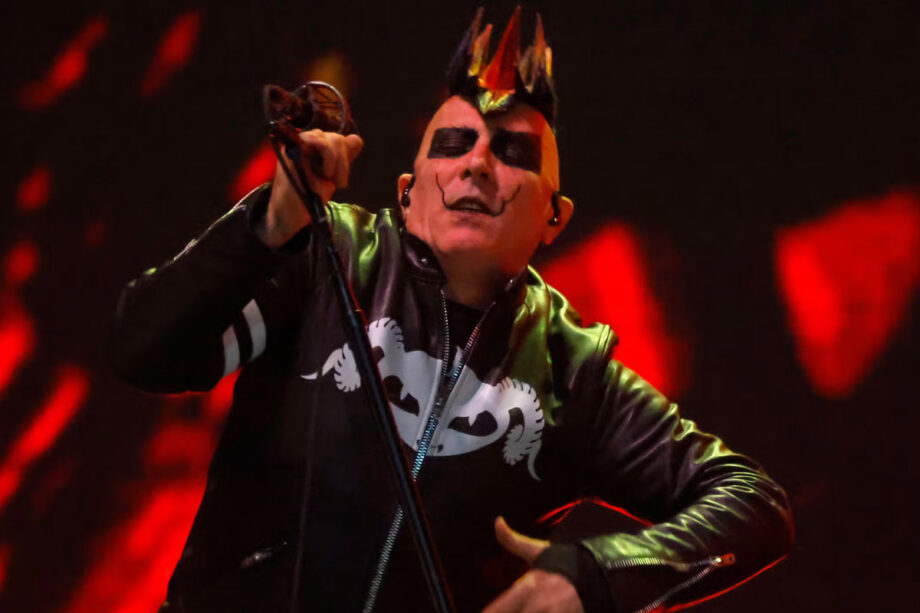
Tool and Puscifer frontman Maynard James Keenan has candidly discussed his severe struggles with stage fright and self-doubt in a recent interview published on 101 WRIF. The musician revealed that performing live remains a deeply challenging experience despite his decades of experience in the industry.
“That’s terrifying. Every night, every night is terrifying. You don’t know how it’s going to go,” Keenan said when asked about stage fright. He further explained the nature of his internal struggles, stating, “I have crippling self-doubt. When people are trying to praise me for a thing, I apologize for saying okay I’m too but I just have such crippling self-doubt that I can’t accept that you are giving me a compliment.”
Despite these challenges, Keenan emphasized the value of live performances. “It’s a challenge, but that’s what live music is, right? That’s why you’re going to see it. We’re literally alive right now. We might not be alive tomorrow. So, that’s why I would encourage you to come to the show because you don’t know what you’re getting tomorrow,” he added.

While Keenan’s recent comments highlight his internal psychological struggles, his actual stage presence and performance history tell a different story about his composure and control during live shows. Over the years, the Tool frontman has demonstrated remarkable poise and confidence in high-pressure situations. This suggests that his self-doubt may be more of an internal battle than something that manifests visibly during performances.
Metal Injection reports that Maynard James Keenan has discussed the technical realities behind performing live. He focuses on difficulties hearing himself onstage rather than performance anxiety. These technical challenges impact his vocal range and delivery during shows, representing a practical concern distinct from stage fright. Keenan’s concerns appear to center on the mechanics of live performance rather than fear of the audience or the act of performing itself.
The technical difficulties of live performance are a common challenge for vocalists, particularly in large venues where sound monitoring systems play a crucial role in delivering a quality performance. Keenan’s focus on these technical aspects suggests that his approach to live shows is grounded in the practical demands of the craft rather than psychological anxiety about being onstage.

The PRP reports that Keenan performs from the back of the stage at Tool shows as a deliberate artistic choice. He maintains a specific dynamic and avoids spotlight focus through this positioning. Rather than being anxiety-driven, this positioning reflects his intentional approach to stage presence and the band’s overall aesthetic. The enigmatic musician can almost always be found fronting the band from an often dimly lit perch erected at the back of the stage, a choice that has become iconic to Tool’s live experience.
This deliberate staging decision demonstrates Keenan’s confidence in controlling the visual and emotional narrative of Tool’s performances. By positioning himself away from the traditional front-and-center spotlight, he creates a unique dynamic that emphasizes the band’s music and collective energy over individual star power. This approach suggests a thoughtful and controlled strategy for live performance.