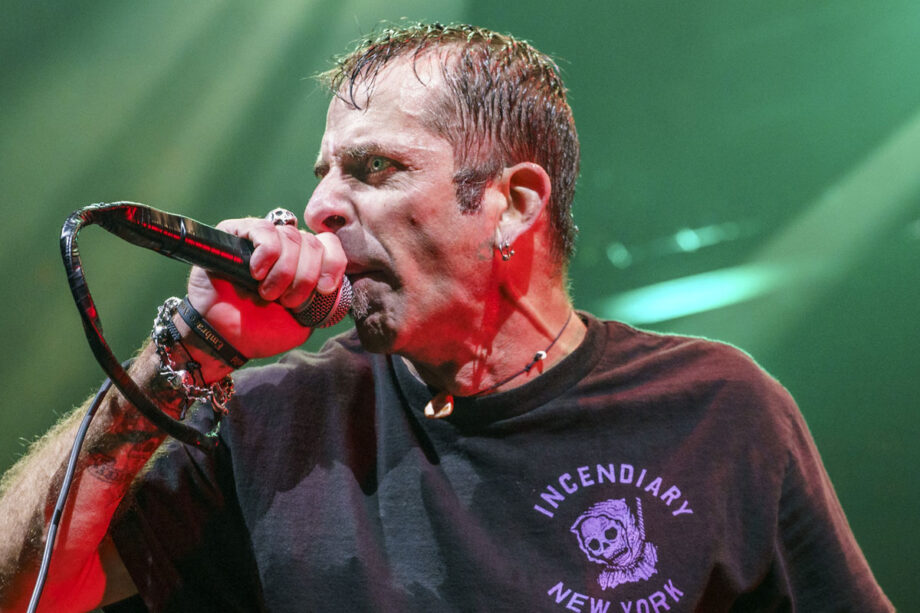
Lamb of God frontman Randy Blythe recently discussed his decision to delete his social media accounts and how he handles negative comments from fans, sharing his thoughts during an appearance on The Break Down With Nath & Johnny.
Blythe explained that he no longer has active social media profiles, meaning internet trolls can no longer reach him directly. He noted that the only place where people can comment on his work is his Substack, which is restricted to paying subscribers.
“They can’t [leave comments], ’cause I deleted my social media,” Blythe said. “[The Internet trolls] don’t exist. Bad news for you guys. You don’t exist.”

He went on to explain his approach to managing interactions on his Substack platform, where he charges for the ability to comment.
“I’m not on social media,” he continued. “I have a Substack, but only paid subscribers can comment. And if someone were to step… Cause if you’re gonna insult me, you gotta pay me.”
Blythe added that even if someone pays to leave a negative comment, he will still take action to block them.

“And then I’m gonna still block you,” he said. “But you’re still paying me. Pay me, motherf*cker. This is a business.”
This approach highlights Blythe’s shift away from traditional social media platforms to maintain control over his online interactions.
Blythe’s retreat from social media did not happen overnight. It follows years of outspoken commentary from the vocalist on politics, the music industry, and his own relationship with online audiences — a pattern that makes his latest remarks less an isolated outburst than the continuation of a long-running position.
Blythe confirmed in the same interview that he had deleted his social media accounts entirely, dismissing online trolls with the blunt assessment that they no longer have any way to reach him. The outlet reported his remark that because his profiles are gone, the people who once used them to insult him simply “don’t exist” in his world anymore.
The vocalist still maintains a Substack but limits commenting privileges to paying subscribers only. That detail is central to his argument: criticism is welcome, but it now comes with a price tag, and he made clear that he considers the arrangement a straightforward business transaction rather than a concession to his detractors.
His Substack is not a passive newsletter. Blythe has drawn backlash in recent months over his writing on Randonesia, his Substack newsletter, including a post titled “All The Horrors Happening Around Us” in which he criticized the direction of American politics and warned about what he describes as a growing slide toward authoritarianism. That willingness to publish controversial opinions helps explain why he has tightened control over who is allowed to respond.