

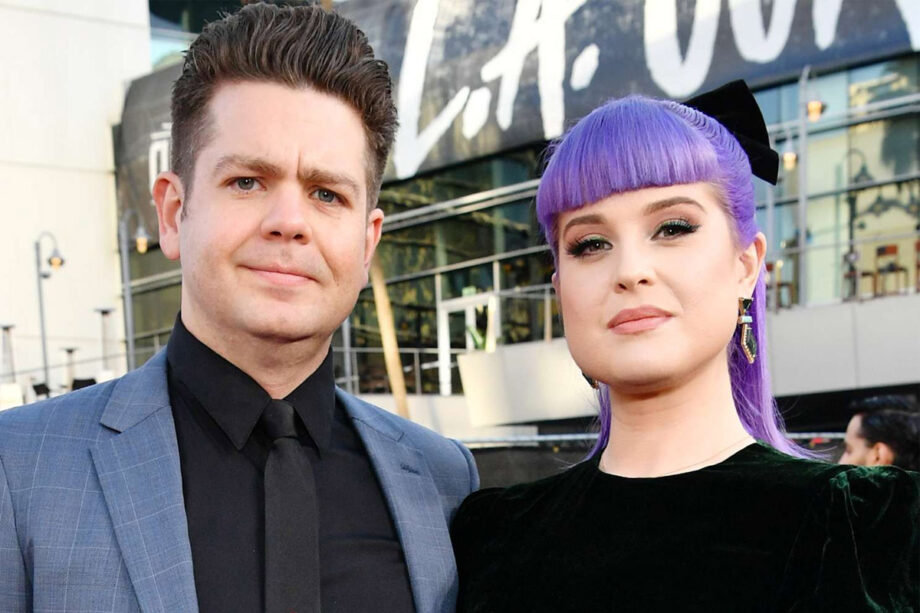
Kelly Osbourne has issued a carefully worded statement addressing the recent controversy surrounding her brother Jack Osbourne’s attendance at the UFC Freedom 250 event held at the White House. The event was organized to celebrate America’s 250th birthday. In her response, Kelly made clear that while the siblings share family ties, their personal values and beliefs do not necessarily align. “We share the same family, not necessarily the same beliefs — and that’s okay,” Kelly stated.
The statement reflects a broader family dynamic where individual members navigate their own public personas and political associations independently. Jack Osbourne’s attendance at the White House event drew significant online backlash from some Ozzy Osbourne fans. These fans questioned his decision to participate in what they perceived as a politically charged event. Supporters of Jack’s appearance argued that his attendance was motivated purely by his interest in mixed martial arts rather than any political endorsement. They noted that the UFC event itself was the primary draw for his participation.
The Freedom 250 event represented a historic moment. The White House grounds hosted a UFC fight night to commemorate the nation’s 250th anniversary. The event featured high-profile fights and drew considerable media attention. Jack Osbourne’s presence at the event was documented through social media posts, which subsequently fueled discussions among fans about the Osbourne family’s values and their relationship to contemporary political events.

Kelly’s measured response demonstrates the complexity of maintaining family relationships while preserving individual autonomy and distinct public identities. Her statement acknowledges that family members can hold divergent viewpoints without compromising their bonds. This approach has become increasingly relevant in contemporary celebrity culture, where family members often find themselves navigating different social and political landscapes while remaining connected through blood ties.
The incident underscores the broader challenge faced by public figures whose family members make choices that may not align with their own public positioning. By explicitly stating that shared family status does not equate to shared beliefs, Kelly has positioned herself as someone willing to acknowledge differences while maintaining familial respect. This nuanced stance reflects a growing cultural conversation about how families can coexist with differing perspectives in an increasingly polarized media environment.