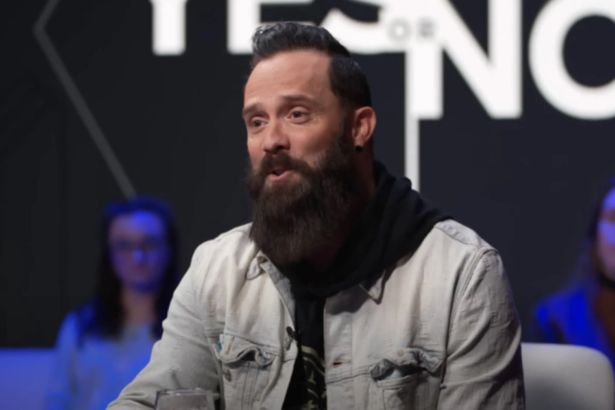


Christian rock band Skillet’s John Cooper has spoken about what he and his wife and bandmate, Korey Cooper, describe as spiritual abuse at the church they attended for decades. The church was founded by Korey’s father and was the only church she had ever belonged to.
John Cooper said, “The last couple of years without exaggeration our lives have been absolutely devastated and that sounds very dramatic and we’re going to get into it.”
“It has been the hardest years of our lives for me outside of my teenage years. My mom passed away and I’ve talked about those things, but I haven’t dealt with this level of just heartache, depression, confusion after this church, what I would call church abuse situation, spiritual abuse, church authority abuse. The last couple of years, we’ve been struggling just to hold on to faith, you know.”

“I can say I never gave up on Jesus. I never questioned whether Jesus was real, but it has been like, ‘Jesus, I need you to meet me every day because I don’t know where I belong. I don’t know where you are right now. I don’t understand what has happened to us.’ And the reason we wanted to come on and share that now is because there’s an epidemic of this happening. It’s happening in all sections of the church. So right now we see it a lot in the charismatic circles.”
“I just want those people to understand this is the last thing we wanted to do. We have waited… it’s been over two years. And we’ll get into this later, but I have begged and pleaded my former church to please do a few things to cause us not to have to do this. And the bar got very low. It has ended with upwards of a hundred people who are claiming they have been spiritually abused from this church struggling to find faith.”
“There even was a third party investigation eventually. It was hired by the leader of this group of churches. They call him an apostle. So it’s an apostle. I put that in quotes. The apostles, they hired the third party company. The third party did the investigation, came out six months ago with their findings, said this has been a pattern, a longstanding pattern of abuse, recommended that the apostles step down permanently, recommended that he go to therapy and said, ‘You guys have got to do work for reconciliation from all these people hurt.’”

“And it’s been six months and the churches have said nothing. They’ve acted as if it didn’t even happen. So, we’ve done everything that we could do to try to say, ‘Please don’t do this.’ And I will just note for anybody that that is saying, ‘Why are you doing this? It’s so divisive.’ I also want them to know that while we have not said anything publicly, this apostle has publicly from the platform spoken about us as being used by Satan. That our criticisms of his doctrine derived from the enemy from the devil himself.”
“We loved our church. We were there for 30 years. Actually, Korey’s been there her whole life. Korey’s dad founded the church. Is still an elder at the church. The apostle is Korey’s brother-in-law. He was my best friend for 30 years. And to be discarded and treated the way we have been treated, you’re dealing with people that you I love them more than I love anybody in the world. They’ve been so good to me. They’ve been the it’s been the best years of my life. And also, I feel like I’m being discarded and abused in a way that I I wouldn’t even imagine an enemy treating me this way. And I don’t know how to reconcile these things.”
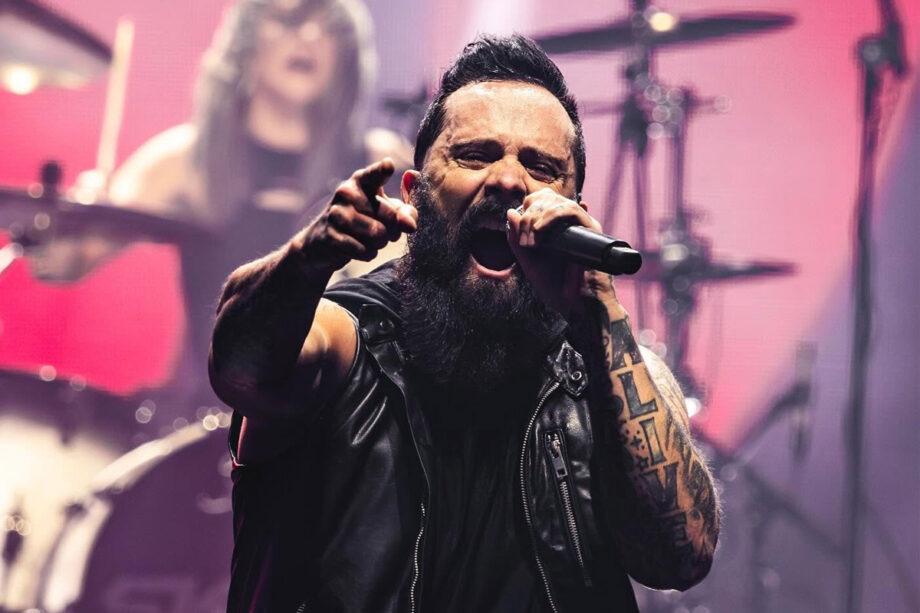
Cooper’s comments come as Skillet enters its fourth decade as a band. The group’s history and the new music connected to this period provide additional context for understanding the singer’s remarks about grief, faith and recovery.
Skillet formed in Memphis in 1996, with John Cooper and Korey Cooper at the center of the band’s creative direction. The group later developed into one of contemporary Christian rock’s most recognizable acts.
Skillet is marking 30 years while preparing its six-song independent EP, After the Storm. The project was shaped in part by experiences involving betrayal, grief and perseverance.
Cooper said the new material was created during one of the most vulnerable periods of his career and was intended to “lift people out of dark times.” The comments connect the band’s upcoming music with the personal struggle he described in the interview.