

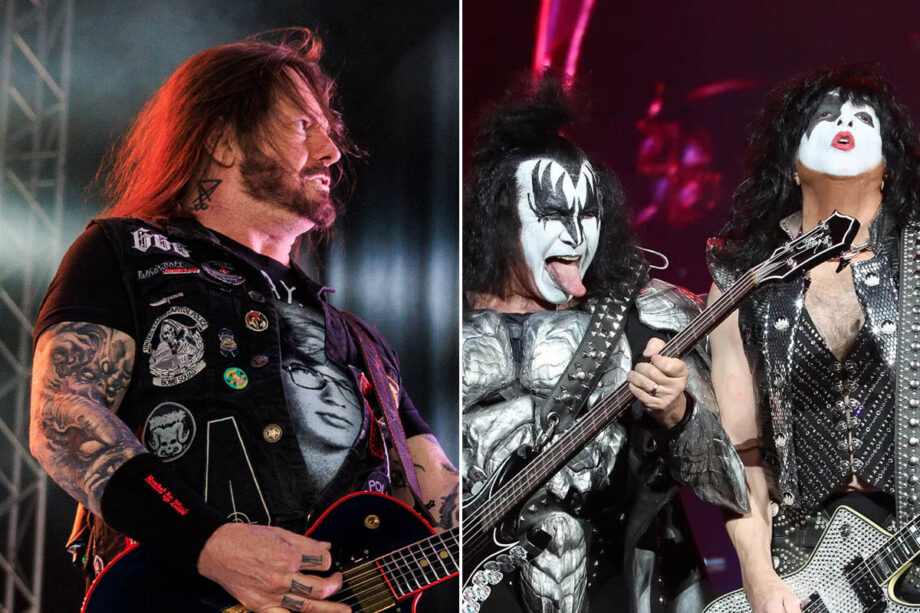
Exodus and Slayer guitarist Gary Holt recently criticized the Rock and Roll Hall of Fame’s selection criteria during an appearance on The Mistress Carrie Podcast. Holt expressed frustration with what he views as an inconsistent and popularity-driven induction process that has overlooked legendary rock bands.
“I personally couldn’t give a sh*t, ’cause the Rock And Roll Hall Of Fame is fucking lame,” Holt said. “The obvious ones get in, and if you had, like, three Motown hits, you’re pretty much guaranteed of getting in. Iron Maiden’s still selling out stadiums, and isn’t in.”
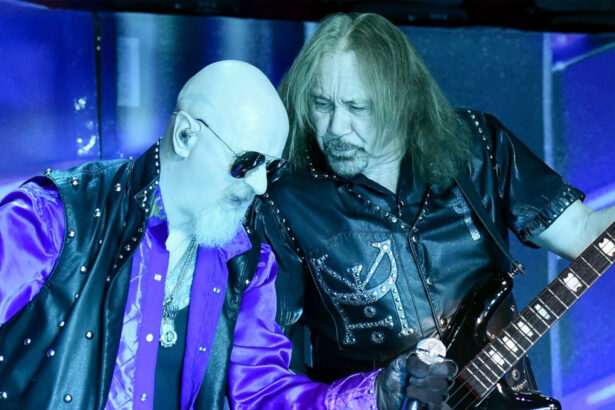
Holt pointed to specific examples of what he considers questionable decisions. Bands like Thin Lizzy—pioneers of twin guitar harmonies with legendary albums and strong sales—remain excluded, while other artists have been inducted. “Judas Priest got in through a back door. Motörhead should be in there. It’s a popularity contest. They had to grudgingly let KISS in, who should have been a first-ballot member,” he added.

Holt’s criticism reflects a broader frustration within the metal community regarding the Hall’s selective approach to recognizing rock and metal’s most influential acts. His comments highlight a fundamental disconnect between commercial success, cultural impact, and the institution’s induction decisions.
Artists become eligible for the Rock and Roll Hall of Fame 25 years after their first album or single was released, according to Future Rock Legends. However, eligibility alone does not guarantee induction. The Hall also considers “the influence and significance of the artists’ contributions to the development and perpetuation of rock ‘n’ roll,” criteria that remain open to interpretation.
This eligibility threshold means that many classic metal and hard rock bands have long since qualified for consideration. Despite meeting this requirement, iconic acts like Iron Maiden and Motörhead remain uninducted. This raises questions about the consistency of the selection process.

The timing of inductions has been notably inconsistent across the institution’s history. Guns N’ Roses were inducted in their first year of eligibility, while Black Sabbath waited until 2006 and Metallica until 2009, according to Metal Injection. Despite comparable cultural impact and influence on rock music, these bands experienced vastly different wait times.
This disparity underscores Holt’s point about the Hall operating as a “popularity contest” rather than a merit-based institution. The varying wait times for similarly influential bands suggest that factors beyond artistic contribution and historical significance influence induction decisions.