


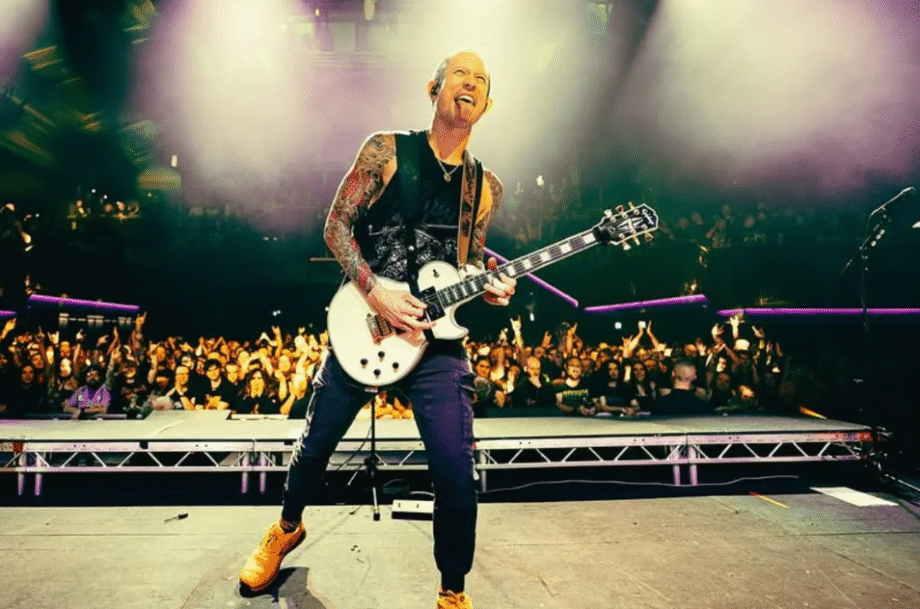
Trivium frontman Matt Heafy recently spoke candidly about the harsh treatment his band endured in their early years. In an interview with Louder Sound, Heafy reflected on how the metal scene has evolved over time—especially for younger bands entering the industry today.
“It’s a good time to be playing heavy music, man. It’s a good time to be a younger band, too,” he said. “You’re not having to deal with as much of the bullshit that we had to deal with: there’s not this intense ostracisation, this intense cliquiness.”
The guitarist and vocalist described the violent and hostile environment Trivium faced during their rise to fame. “When we were coming around, we were getting glass bottles thrown at our heads, fans waiting for us outside of our van to try to fight us because they didn’t like the kind of music we played, getting bullied to our faces by our favourite bands,” he continued. “That doesn’t happen anymore as much [to young bands].”

Heafy’s reflections underscore how the metal community’s treatment of emerging artists has shifted over the years.
Trivium’s early success was met with particularly harsh backlash during the mid-2000s, following the release of their breakthrough album Ascendancy in 2005. The hostility persisted for nearly a year and was especially intense in the U.K., where media outlets branded them as the “new Metallica.” This label fueled resentment among established musicians and fans who believed the young band hadn’t yet “paid their dues.”
According to MetalSucks, the bullying extended beyond verbal taunts to bizarre power plays. One incident reportedly involved a tour manager forbidding another band, Seemless, from eating until Matt Heafy had eaten first. The atmosphere on tour became openly toxic, with Trivium being mocked and isolated by bands they had once admired.

Loudwire also reported that during Ozzfest, crew members would intentionally block them with golf carts and spray dust in their faces—turning daily life on tour into a gauntlet of intimidation. Heafy recalled one particularly humiliating moment when a favorite singer from another band demanded a live reviewer remove a Trivium shirt and replace it with their own band’s merch, publicly showcasing the disdain directed at them.
As Ultimate Guitar noted, much of the animosity stemmed from Trivium’s rapid rise and the perception that they were young upstarts who hadn’t earned their success. At just 18 years old, the members suddenly found themselves in the spotlight, facing criticism from both the metal establishment and sections of the fanbase who saw them as overhyped newcomers. Despite the adversity, Trivium endured the storm and ultimately proved their staying power—solidifying their place as one of modern metal’s most respected and enduring acts.