

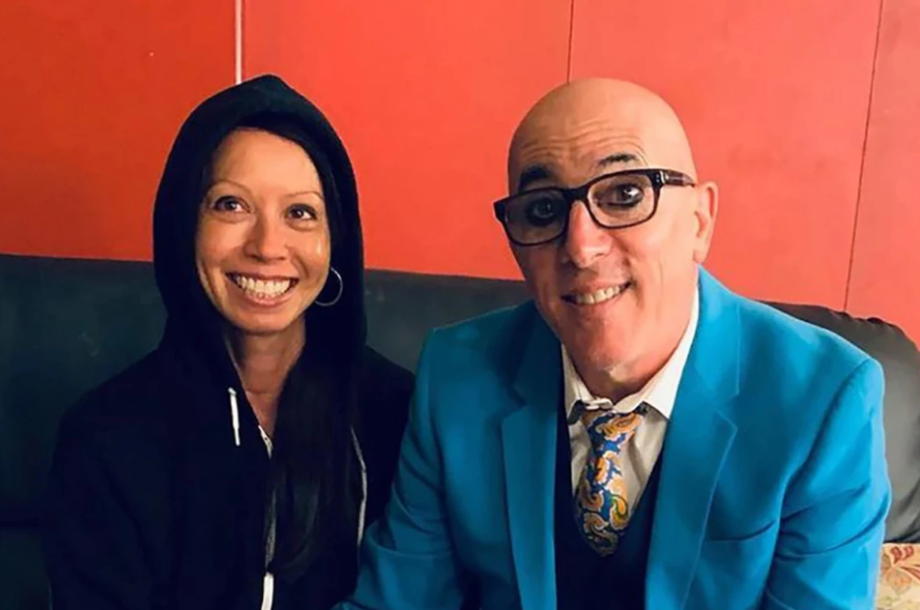
Jen Keenan, the wife of Tool vocalist Maynard James Keenan, recently addressed the issue of vinyl bootleggers profiting from the band’s work. She discussed the topic during an appearance on The Vinyl Guide Podcast.
When asked whether it bothers her to see bootleggers earning money from Tool’s music, Keenan explained that the problem goes beyond financial loss. For her, the real concern is losing control over how Tool’s art is made available to fans. “Well, I mean, it is because it’s like, guys, just get sh*t your together and you could be making that money,” she said. “But it’s even not even that. It’s just that people want this in their collection. So, like just do that and then the fringe benefit is you’re making money off of it, too. But like share it.”
Keenan argued that by withholding official versions, the band misses an opportunity to reach collectors while also ensuring the quality of the releases. She noted that avoiding official vinyl releases doesn’t actually protect the material.

“I don’t know if you think you’re keeping it safe and pristine by not putting it out there, but it’s really the opposite to me,” she continued. “Like, you’re losing the opportunity to actually share it, you know?”
She emphasized that bootleggers rarely prioritize quality, meaning fans often end up with subpar versions instead of the high-standard releases the band might prefer to deliver.
“They’re probably not the greatest copy [or] the greatest quality. So if you’re concerned about pristine quality and art, then the bootleggers aren’t the ones that were worried about that. So yeah, your stuff’s getting out there [and] not in a way that you want it.”

Keenan’s remarks reflect a long-running point of frustration for both Tool fans and the band itself. The lack of an extensive official vinyl catalog has forced collectors to rely on unofficial versions to complete their libraries.
Tool’s vinyl output remains limited. According to the band’s official resources, albums like Undertow and early pressings have never received modern, official vinyl reissues. Many original 1990s pressings—released through labels such as Zoo and BMG—are now rare and out of print, which has fueled demand in the bootleg market.
Bootleggers have stepped in by producing vinyl copies of Tool albums and live recordings that fans cannot obtain through official means. Community discussions on Tool’s forums show that titles such as Ænima and other scarce records are especially prized. Some bootlegs even feature live material or rare tracks that have never been officially issued on vinyl, making them appealing despite their unofficial origins.
Fans are well aware of the trade-off. Conversations in Tool fan communities reveal that while listeners often buy these bootlegs to enjoy the music on vinyl, they also acknowledge that “the band won’t get the profit.” This situation highlights the tension between fan desire and the band’s lack of involvement in the format.
Keenan’s appeal for the band to take action aligns with a broader shift in the music industry. More artists are recognizing that releasing official editions—even in limited quantities—can satisfy collectors, preserve artistic integrity, and prevent lower-quality bootlegs from dominating the market. By stepping into this space themselves, Tool could reclaim control of their catalog, deliver the high-quality editions fans want, and benefit from the demand that bootleggers have capitalized on for years.