

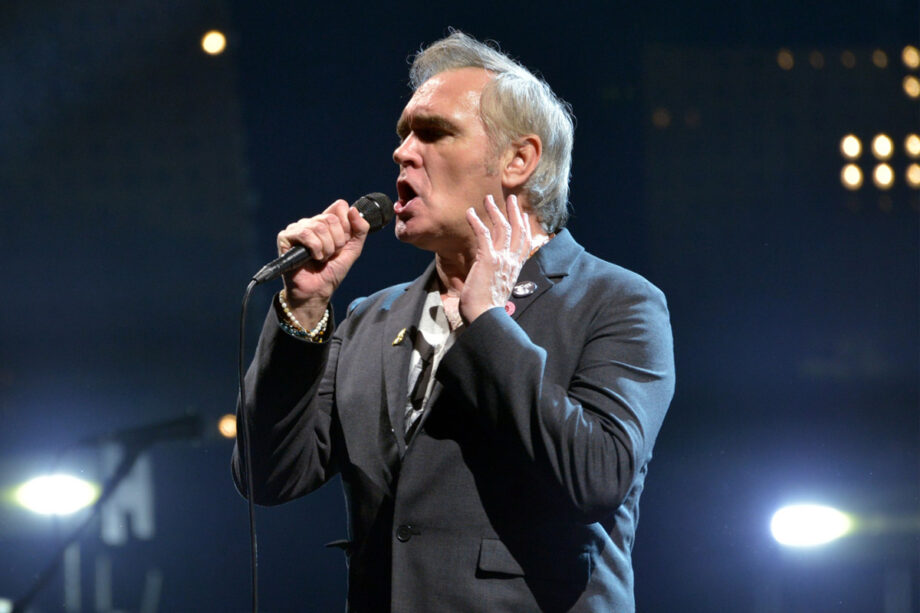
Former Smiths frontman Morrissey has launched a scathing attack on the BBC, accusing the broadcaster of deliberately refusing to play his new single “Notre-Dame” despite its remarkable chart success. Morrissey claims that the public service broadcaster is failing in its duty to reflect audience taste and instead enforcing what he describes as authoritarian control over content.
“The public wants to hear the song, but the BBC will not play it even though their stations are a public service duty-bound to reflect public taste,” Morrissey stated. “If the song is suspected of independent thought—God forbid!—it is not played. Any station that pledges allegiance to diversity is lying under these circumstances.”
The single “Notre-Dame” entered the Official UK Singles Chart at number 6 on July 5, 2026. This achievement is remarkable because it occurred entirely without any BBC airplay support. The song’s success relied solely on sales and streaming, making its chart placement all the more striking given the absence of traditional radio promotion from the country’s largest broadcaster.

Morrissey extended his criticism to broader cultural issues. He drew a direct line between modern diversity initiatives and what he perceives as restrictive control mechanisms. “When people say ‘Diversity is our strength’ they fail to mention how their notion of ‘diversity’ entails very strict Third Reich regulations and punishments,” he wrote. “I wonder why people can’t simply be honest about these things?”
The single’s commercial performance demonstrates significant public appetite for Morrissey’s work independent of mainstream media gatekeeping. The deluxe yellow vinyl version of “Notre-Dame” entered the Official UK Vinyl Singles Chart at number 4 on July 3, 2026. This dual chart success underscores the strength of fan support across multiple formats.
Morrissey’s latest release marks a significant moment in his solo career. “Notre-Dame” was released under major label EMI, continuing his established pattern of achieving high chart positions as a solo artist. The song had been performed at the London O2 Arena on February 28, 2026, which likely contributed to building momentum ahead of its official release. His ability to chart at number 6 without radio support stands as a testament to the dedicated nature of his audience and the enduring commercial viability of his work.

The controversy highlights ongoing tensions between artists and broadcasters over editorial decisions. Morrissey positions himself as a victim of institutional censorship rather than market forces. Whether the BBC’s lack of airplay reflects programming decisions based on content concerns or other factors remains unclear. The singer’s public complaint has amplified the narrative surrounding the single’s release and drawn attention to questions about how public service broadcasters balance editorial independence with their stated commitment to reflecting diverse public tastes.