


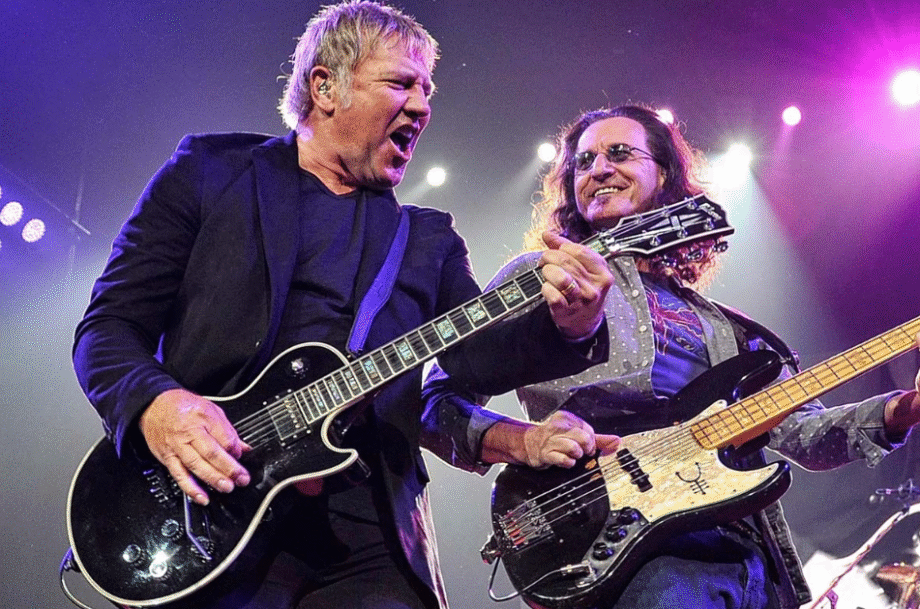
Rush fans are voicing concerns over ticket sales for the band’s highly anticipated reunion shows, with much of the discussion taking place on Reddit’s Rush community.
One fan expressed particular worry about the second Montreal concert, questioning whether adding an additional date to the tour was a wise move. The thread focused on ticket availability, pricing, and overall demand. Many pointed to high prices as the primary reason for slower sales. “Excellent! There’s plenty of fans like me out there who refuse to pay these ridiculous ticket prices,” one fan commented. “If they reduce the prices to a more reasonable level, like say $100/ticket, they’ll sell out no problem. I’m pretty sure the last time I saw Rush in Montreal on R40 I paid something like $95/ticket for decent seats. And if not, I’ll be enjoying the inevitable R50 live album for years to come.”
Others, however, struck a more optimistic tone. “It’s still almost a year away. It will sell just fine,” another community member wrote, suggesting that concerns might be premature given the time left before the shows.

The conversation reflects a broader frustration with the 2025–2026 reunion tour’s pricing strategy. According to Alternative Nation, mid-level seats are typically priced between $350 and $400, while even cheaper sections cost more than $300. This marks a steep increase compared to past tours, leaving many longtime fans feeling priced out and frustrated with the band’s approach.
Reports from Alternative Nation indicate that these pricing issues are affecting sales in multiple major markets, including Detroit, Washington DC, and Philadelphia, where many tickets remain unsold. The sluggish sales appear tied to inflated prices, market conditions, and promoter practices. Despite the initial wave of excitement over the reunion, the high ticket costs have created barriers for many fans eager to attend.
The reunion tour has nonetheless expanded to 58 shows across 24 cities, according to Ultimate Classic Rock, with multiple added dates in major hubs such as Los Angeles, Chicago, New York, Toronto, and Cleveland. This growth suggests that while interest is strong, the current pricing strategy may have overestimated how many fans are willing to pay premium rates.

Industry observers have speculated that the high prices could be an attempt to curb ticket scalping by setting face values close to resale prices.
However, this tactic appears to have backfired, deterring casual fans and contributing to the ongoing ticket availability problem. The debate among Rush fans underscores a larger discussion about pricing, access, and demand — one that could shape how other legacy rock acts plan their future reunion tours.