

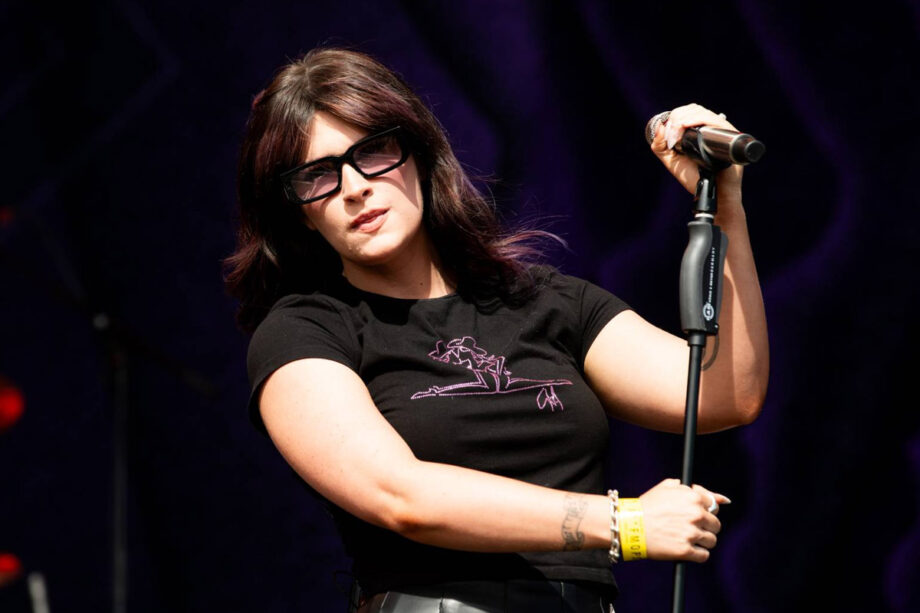
Spiritbox frontwoman Courtney LaPlante has shared a bold take on the current state of heavy music. She explains that while modern metal production has reached maximum capacity and perfection, the industry is craving a return to raw authenticity and actively waiting for a paradigm-shifting “Nirvana moment” to reset the culture.
In an interview with SPIN Magazine, LaPlante reflected on how her generation of metal musicians differs from the legends who came before them. “The ’80s and ’90s acts were the cool guys. Or at least they put on the armor of being a cool guy,” she explained. “Me and my peers, I don’t think any of us have an aspirational fantasy or a chauvinistic thing we’re selling. We’re just selling that we’re depressed and anxious. We went from being nerds to being nerds with marketability, so people found out about us.”
LaPlante’s comments highlight a critical inflection point in metal’s evolution. She emphasized that the genre has hit a production ceiling: “We don’t have the coolness and excessiveness of real rock stars back then. But we’re at max capacity for how production sounds and what people want to hear in their music.”

The frontwoman believes the solution lies in embracing authenticity over polish. “They want to hear authenticity. They want to hear real performances, real drums, and real unedited guitar. The circle is completing right now. We’re waiting for the next Nirvana, and we want to be adaptable and embrace that.”
LaPlante’s perspective aligns with a broader industry trend that has been reshaping metal’s cultural identity. SPIN Magazine’s coverage of Spiritbox revealed that the band exemplifies how metal authenticity in 2024–2026 is being redefined. It is now defined less by strict genre purity and more by vulnerability, technical skill, and creative control. This represents a fundamental departure from the gatekeeping mentality that once dominated metal culture.
The emphasis on emotional directness and lyrical vulnerability has become a marker of credibility rather than weakness in contemporary metal. Spiritbox’s success demonstrates that audiences are increasingly receptive to artists who openly discuss mental health, anxiety, and depression. These themes have become central to their artistic identity. This shift reflects a generational change in how metal musicians approach their craft and connect with listeners.

SPIN Magazine’s analysis noted that genre blending has become normalized within metal’s mainstream appeal. Artists like Spiritbox are less constrained by traditional subgenre boundaries. This creative freedom allows bands to experiment across metalcore, progressive metal, and alternative influences without sacrificing their metal credibility.
The dissolution of rigid genre gatekeeping has opened doors for a new generation of metal musicians who prioritize artistic expression over conformity to established conventions. Spiritbox’s willingness to blend styles while maintaining technical precision demonstrates that modern metal audiences value innovation and authenticity over adherence to outdated genre rules.