


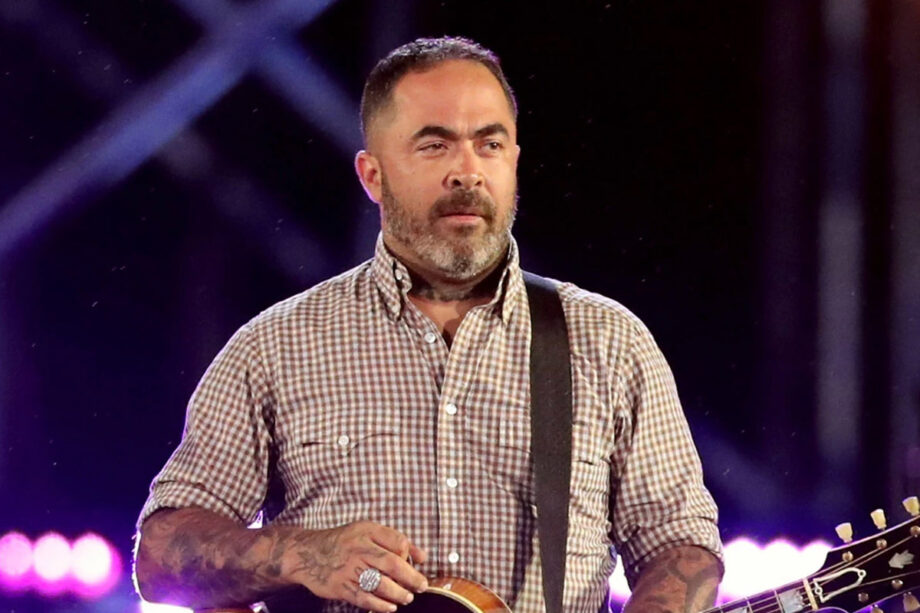
Staind frontman Aaron Lewis has emerged as a vocal advocate for what he describes as the foundational principles that built American prosperity. He argues that a departure from traditional moral and religious values has contributed to the erosion of social cohesion and individual freedom. Lewis articulated his belief that the nation’s early success was rooted in biblical principles and a shared moral compass that enabled innovation and human progress across generations.
“This country was founded on the beliefs and the moral compass that the Bible provides — period, the end,” Lewis stated. “It wouldn’t have worked the way that it did. It wouldn’t have created the immense wealth and success and human evolution and the shit that we have come up with in the last 120 years — from a car to everything. Go back a little bit further, f*cking electricity. That’s all American ingenuity and know-how set free by a set of morals and standards that were held by everyone. We need to get back to that.”
Lewis’s critique extends beyond nostalgia for the past. He contends that modern technology, particularly social media and smartphones, has fundamentally altered human behavior and social interaction. These changes diminish quality of life in his view. According to Lewis, younger generations have lost touch with the freedom and simplicity that characterized pre-digital existence. They have been replaced instead by constant connectivity and instant gratification.

“Our kids and our grandkids are certainly gonna wish we had taken all of that more seriously,” Lewis reflected. “And what’s sad to me is they have no idea what this country was like before those — it’s a electronic syringe that you carry around in your hand all day. They have no idea what it was like before that and how much freer and carefree and enjoyable life was before any of this shit. It’s made us impatient.”
The musician’s observations about social media’s corrosive effects on authenticity and discourse form a central part of his argument about societal decline. Lewis argues that digital platforms have created an environment where people present fabricated versions of themselves. They engage in increasingly destructive communication patterns on these platforms. “Everything is based on instant gratification,” he explained. “It’s allowed us to create a life that doesn’t even exist on a platform that is… Everybody on social media is just — it’s their fantasy life. It’s the fantasy person. It’s the person that they wanna put forth as who they are, and all reality and all life and all realism is completely stripped away from everything. And you can get on that thing and you can say the most damaging, destructive things about humanity and get a whole bunch of people to believe you.”
Lewis has positioned himself as a prominent figure in contemporary debates about how social media and political polarization are reshaping American society. His public stance on traditional values and conservative politics has made him increasingly visible in cultural conversations. His views are circulated and amplified across digital platforms alongside both criticism and support from various audiences. This dynamic reflects a broader pattern in which musicians are no longer confined to entertainment roles. They have become active participants in highly visible ideological discourse.

The Staind frontman’s career spans more than three decades of performing. Lewis has combined his artistic work with unabashed advocacy for what he characterizes as core American values including faith, resilience, and national pride. His recent solo country projects, including his sixth solo album, continue to reflect this signature approach. He blends traditional influences with contemporary messaging about cultural and moral concerns.
Lewis’s willingness to express his political convictions publicly has come at a professional cost. His outspoken positions have contributed to industry backlash and limited radio play. Yet he has remained persistent in articulating his worldview. He views his artistic platform as an opportunity to challenge what he sees as the erosion of shared values and institutional trust. His commentary on the fabric of society unraveling resonates with audiences who share his concerns. They worry about the direction of American culture and the role that technology and social fragmentation play in that decline.