

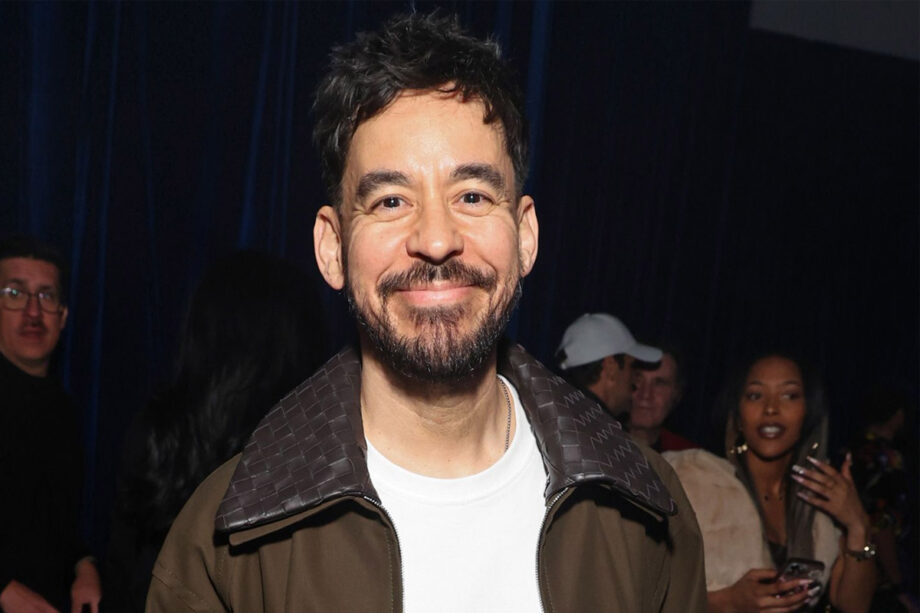
Linkin Park’s Mike Shinoda recently pulled back on his support for artificial intelligence, expressing that he has become more skeptical than ever about the technology during a Q&A session on Discord.
Shinoda explained his current stance on AI tools and how his perspective has shifted after experimenting with them.
“On a slightly more serious note — I played with different AI things for a little while to see what I thought,” Shinoda said. “These days, I’m not a big fan.”
He then described his limited use of the technology in his daily life.
“The only time I really use it any more is looking up things to do in a city, or doing some research on a subject,” he continued.
Shinoda also expressed concern regarding the broader implications and the companies behind these AI developments.

“But in the bigger picture, the news about those companies is very disturbing,” he added. “It’s nuanced, but I’m personally more skeptical than ever on it.”
This shift in perspective comes after Shinoda previously showed support for the AI music startup Authentic Artists.
The comments mark a notable change in emphasis from his earlier public support for AI music technology, which he once promoted as an investor and an adviser rather than a critic.
Authentic Artists is a startup that builds virtual, AI-powered musicians who perform their own concerts and can respond to audience requests. The company, founded in 2019, describes itself as a pioneer in studio-grade AI music and real-time dynamic generative music systems.
Shinoda was among the startup’s earliest backers. Authentic Artists emerged from stealth mode in April 2021 with funding from James Murdoch’s Lupa Systems, Roblox chief business officer Craig Donato and Linkin Park’s Mike Shinoda, among other investors. Variety named Shinoda among the company’s investors and advisers when it introduced its virtual artist platform.
His role went beyond a passive endorsement. Shinoda was working with the company on virtual artists whose music could be generated in real time, and he described the platform as capable of creating music from scratch within seconds.
“From scratch in real-time,” Shinoda said of the technology at the time, adding that it could produce songs “generated in seconds.”
Shinoda’s new skepticism also arrives amid a wider backlash in the music business. More than 200 artists, including Billie Eilish, Nicki Minaj and the Jonas Brothers, signed an open letter calling on tech companies, AI developers and digital music services to stop using AI over concerns about its impact on artists and songwriters.
Industry groups have raised similar objections over contracts. A global coalition including the Music Artists Coalition, Songwriters of North America, NITO and BMAC released a letter objecting to AI clauses in label and publisher contracts, claiming that artists are opted into AI uses by default.
The debate has also moved into the courts and onto streaming platforms. The question of who profits from AI music is now at the center of a growing legal and financial battle, with AI music already cutting into income for human musicians. Meanwhile, a Canadian non-profit performance rights organization is suing Suno, an American generative AI music platform, over streaming outputs that allegedly replicate songs without consent or compensation, while 87 percent of respondents in one survey viewed AI technology in music creation negatively.
That broader tension is what Shinoda now appears to be weighing, even as he keeps a narrow, practical use for the tools himself.