


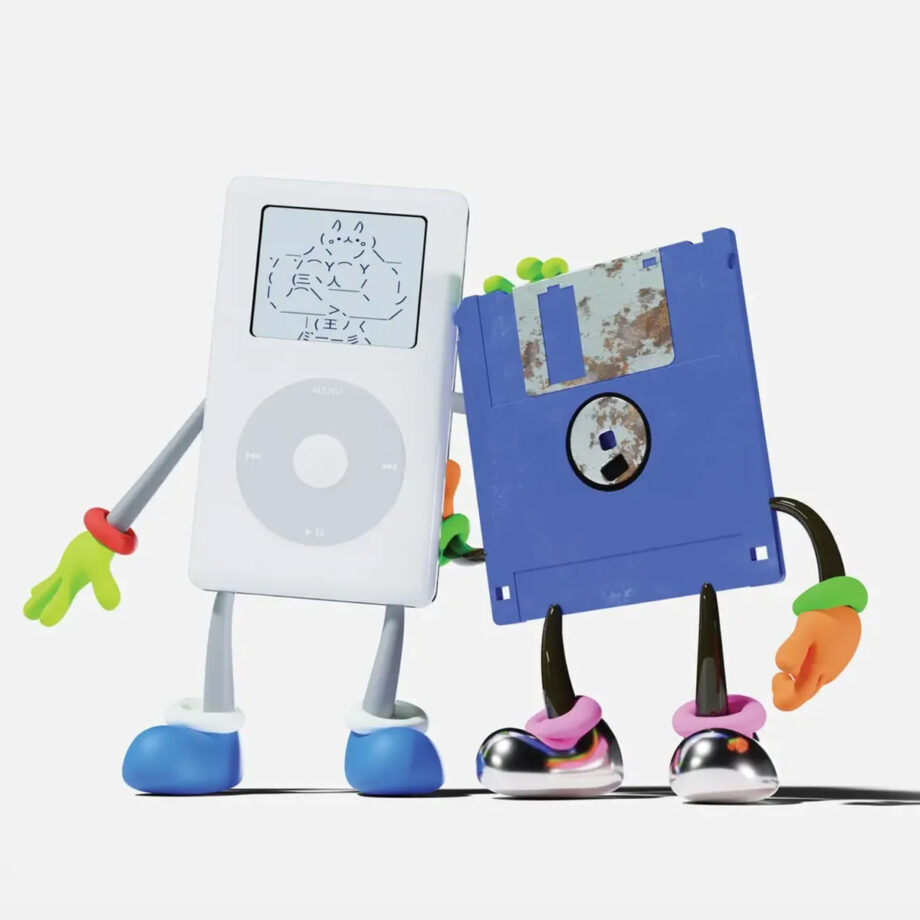
The Avalanches’ fourth studio album, No Bad Memories, released on 16 October 2026, brings their sample-based approach into a bright, celebratory setting. Across 31 tracks and 52 minutes, the Australian electronic group explores memory, nostalgia and the familiar sounds that become part of everyday life.
Following Since I Left You (2000), Wildflower (2016) and We Will Always Love You (2020), the album continues a catalogue defined by patient construction and long gaps between releases. Its musical foundation remains rooted in plunderphonics, dance music and detailed studio work, with fragments of existing recordings reshaped into new emotional connections.
Robbie Chater links the record’s party atmosphere to the happiness of emerging from pandemic restrictions. That background gives its upbeat character a sense of release, although its interests reach beyond the dancefloor. Advertising, jingles, sonic logos and technological sounds become material for examining how memories form and how familiar noises carry meaning.

The guest list includes Jamie xx, Panda Bear, Rivers Cuomo, Karen O, Mike Patton, Barry Can’t Swim, Ryoji Ikeda, Vegyn and Suzanne Ciani. These collaborators bring different musical backgrounds into the album’s layered framework, expanding its range while maintaining the group’s collage-based identity.
Bounce, soul and stylistic freedom shape the record’s character. Its many voices and samples contribute to a busy musical world, where abrupt transitions and contrasting textures are central to the experience. The production provides much of the album’s interest, connecting separate sounds through rhythm, atmosphere and unexpected associations.
For listeners approaching the album through Mike Patton’s involvement, the appeal lies in that experimental construction. Dense layering and intensive studio manipulation offer possible connections to industrial and experimental metal, but the music itself remains electronic and sample-driven. Heavy riffs and metalcore conventions provide little useful basis for judging its aims.

The album’s scale gives it an ambitious framework, though a long guest list and a high track count alone do not establish how consistently its ideas succeed. Its clearest identity comes from the relationship between its celebratory mood and its interest in the sounds of everyday culture.
Broader listener response remains difficult to assess without a dependable community consensus. No Bad Memories is best approached as another carefully assembled electronic release from The Avalanches, with production ideas that may appeal to listeners willing to explore beyond their usual genres.