


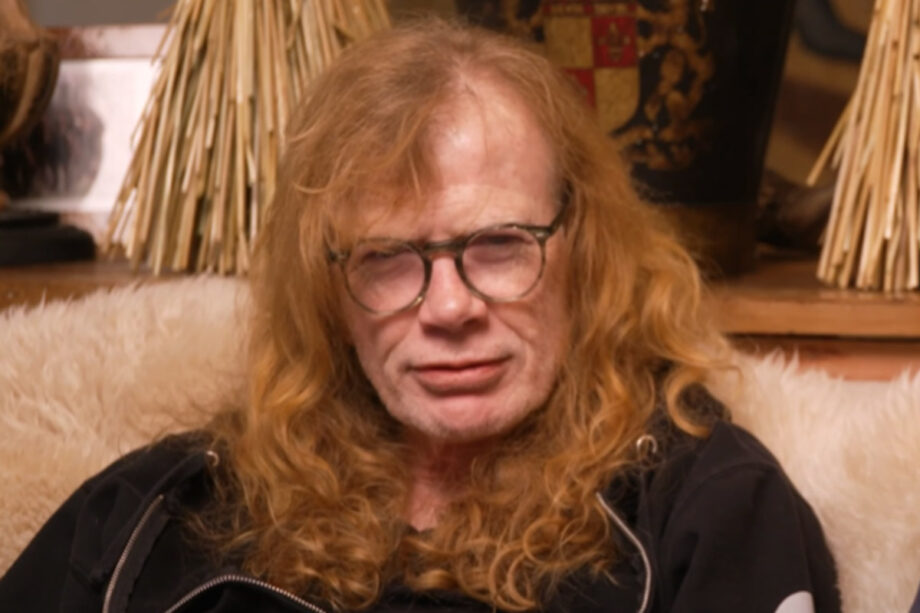
Megadeth frontman Dave Mustaine shared his thoughts on the nu-metal genre in a recent interview with Lifeminute. The veteran thrash metal guitarist addressed the absence of guitar solos during the genre’s peak around the year 2000.
“There was a period in 2000 where we had these bands called — I think it was ‘nu metal,’ and they didn’t do any solos,” Mustaine stated. “Well, why didn’t they do any solos? They couldn’t do solos.”
“And thank God that genre went away. People started to learn how to do solos,” he continued. “I would say, if you’re in a ‘nu metal’ band, you probably would be challenged even playing ‘Johnny B. Goode’ [1958 rock and roll classic by Chuck Berry]. So I’m glad that went away.”

Mustaine’s criticism of nu-metal’s approach stands in direct contrast to his own musical legacy and metal’s evolution across decades.
Technical Prowess And Legacy
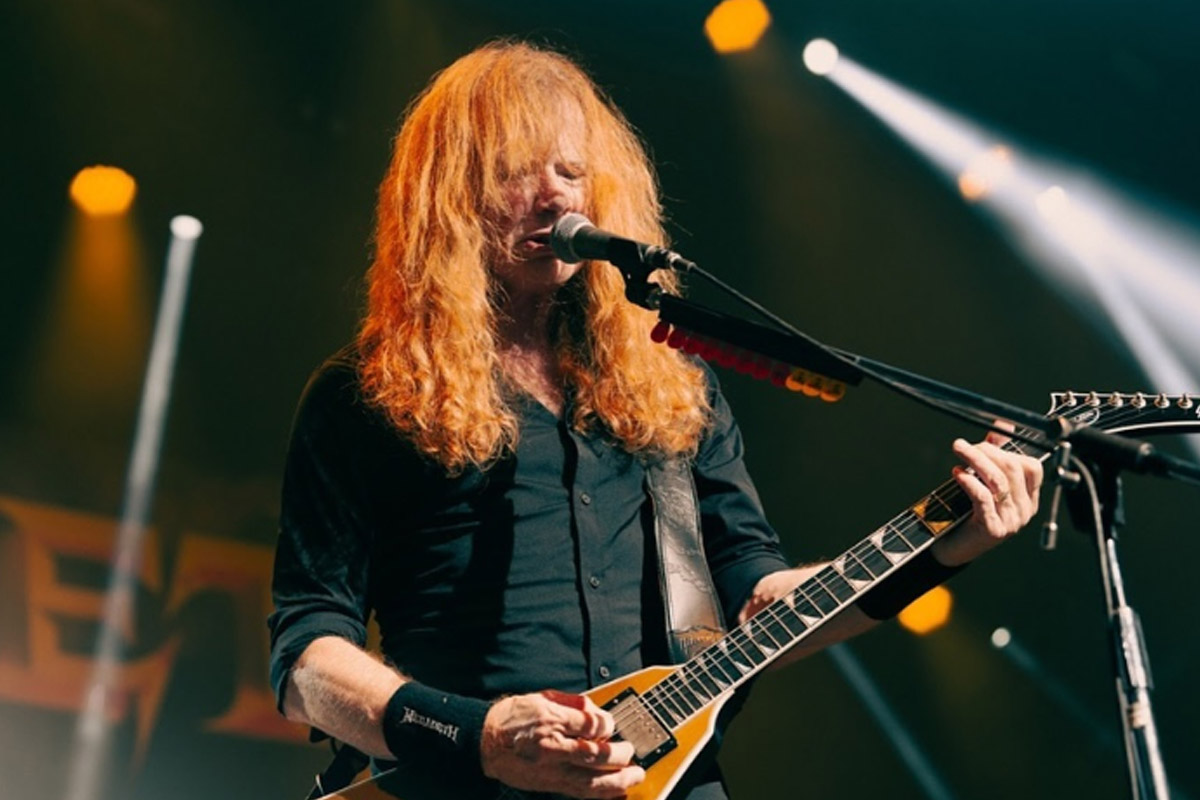
Studies from Metal Mastermind highlighted Mustaine’s aggressive technical proficiency in his guitar-playing style. His intricate solos in tracks like ‘Hangar 18’ and ‘Holy Wars… The Punishment Due’ established new standards for metal guitar work.
The Megadeth leader’s focus on technical skill and melodic complexity inspired countless guitarists. This approach created a stark contrast to nu-metal’s simplified style.

Nu-Metal’s Commercial Era
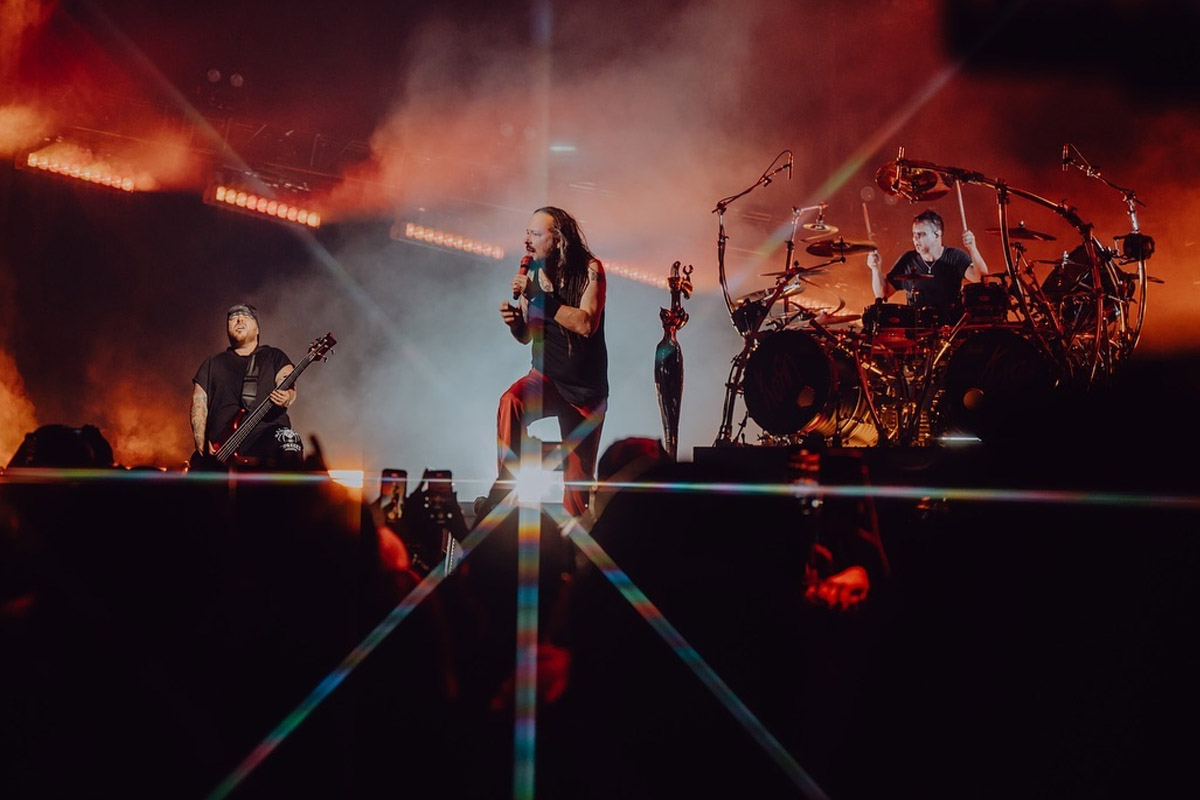
Data compiled by Level1Techs showed nu-metal’s peak commercial success during the late 1990s and early 2000s. Bands like Linkin Park and Korn achieved unprecedented mainstream recognition during this period.
The genre moved away from traditional metal elements. AnandTech forums documented how this shift prioritized radio-friendly formats over complex guitar work.
Evolution Of Metal Guitar
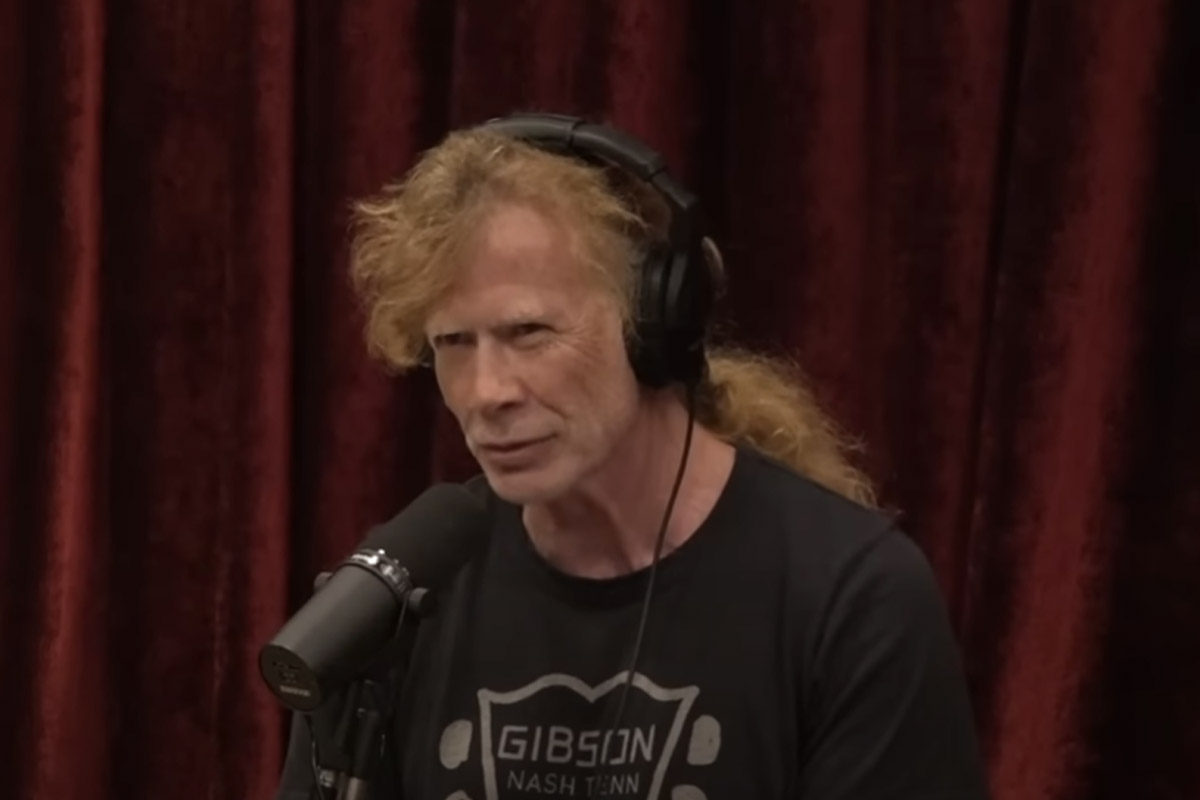
The guitar solo debate has persisted since nu-metal’s emergence in metal circles. Nu-metal’s commercial success temporarily shifted focus from traditional metal elements. However, technical guitar work remained central to metal’s core identity.
This viewpoint aligns with Mustaine’s lifelong commitment to advancing metal guitar playing. His emphasis on complex solos continues to shape modern metal composition.