


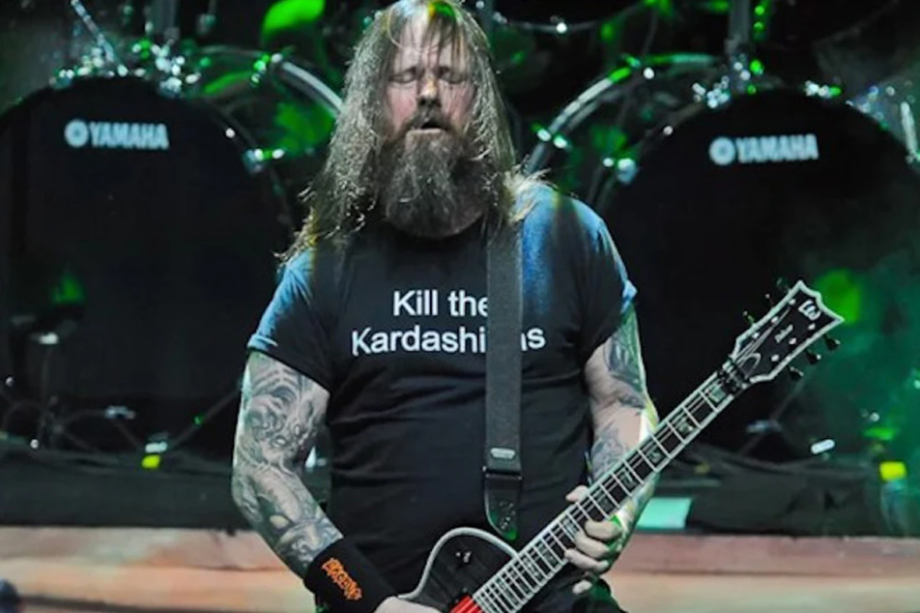
Exodus guitarist Gary Holt has spoken candidly about the financial realities confronting metal bands in today’s music industry. In a recent interview with Sweetwater, Holt expanded on earlier remarks in which he described himself as “a traveling clothes salesman,” underscoring how essential merchandise sales have become for artists trying to stay afloat.
Asked to clarify that statement, Holt explained how dramatically the business has changed for most working bands. “That’s all any of us are now. I mean, some bands — Metallica, I’m sure, could do well without selling a single shirt — but for bands like Exodus, we’re a traveling pop-up store. We play music, so you’ll come in and visit our store,” he said.
Holt went on to detail the financial structure behind touring and why merchandise can make or break a run on the road. “I mean, we’re lucky — I still get some royalties and stuff. If your guarantees cover the entire cost of the tour, you’re way ahead of the game, because then the merchandise is yours. So you can go home with some money,” he continued.

The guitarist also shed light on how personally involved he is with his own merchandise operation, emphasizing that there is no large-scale infrastructure behind it.
“[Holt Awaits] is my own shirts with all my tasteless serial killer merch and celebrity guitar picks and making fun of everything. If you order that, if I’m home, I’m the guy putting it in the thing. I’m not hiring someone to do it. There’s no warehouse. I’m sitting in my office, and it’s me stuffing that t-shirt in that poly mailer. But these are the things we have to do to stay ahead to keep the bills paid,” he said.
Holt’s comments reflect a broader shift across the metal industry, where bands are increasingly dependent on merchandise to remain financially viable amid shrinking revenue streams from recorded music.

Live performance data from 2025 shows a continued rise in touring opportunities. According to Live Nation, hard rock concert attendance is up 15% this year, with metal acts accounting for 13% of U.S. stadium shows. This growth has given bands more chances to sell merchandise directly to fans at shows.
At the same time, fan spending trends present challenges. atVenu’s Fan Spending Report revealed that while the percentage of heavy metal fans purchasing merchandise rose slightly to 18% in 2025, spending per fan dropped by 30%. This decline has made each sale more significant for bands operating on tight margins.
There is some encouraging data as well. The same report found that fans who do buy merchandise are purchasing more items per transaction, averaging 2.1 items in 2025 compared to 1.7 the year before. Purchases of two to three items jumped to 33%, suggesting that committed buyers are spending more intentionally.
Together, these trends illustrate why Holt’s hands-on approach to merchandise fulfillment has become a necessity rather than a choice. With lower per-fan spending and increased competition for attention and dollars, many metal musicians are taking control of every part of the process to maximize revenue—exactly as Holt described, shipping orders himself to keep his career sustainable.