

Rod Morgenstein, drummer for the legendary rock band Winger, recently spoke about the group’s decision to retire from touring after 2025 during an interview featured on The Hair Metal Guru.
According to Morgenstein, the choice was not sudden but had been taking shape for several years, with vocal longevity emerging as a primary factor.
“I think it’s been years in the making. Part of it is Kip’s concern over his voice,” Morgenstein said. “When you’re a crooner, you can sing forever, but when the vocal demands are in this high register — we’ve seen it all too many times with singers who were in their forties, fifties and sixties; it’s just not possible for them to do it anymore.”

Morgenstein compared Kip Winger’s situation to that of other iconic rock vocalists who have struggled to maintain demanding ranges over time. “If you saw Robert Plant try to sing ‘Rock And Roll’ now, he would sing it in a lower register. It’s not possible for him to sing it the way it was originally recorded,” he explained. He also noted the ongoing anxiety that came with performing night after night: “From show to show over these past few years, Kip always worried, like, ‘Uh-oh, is this the show where the voice is not gonna give me all that I need?’”
In addition to vocal considerations, Morgenstein acknowledged that the band’s long history naturally prompted reflection about the future. “There’s that, and then just, like, wow, I mean, it’s been a 37-year run. Pretty not bad. Some of us have other things in us that we’d like to do. Kip would like to spend more of his time in his classical world,” he said.
Despite the retirement announcement, Morgenstein suggested the band is not entirely closing the door on future appearances. “When we did that last show at the Rainbow, we kind of left the stage instead of saying, ‘This is it. You’ve been the best. We are done a hundred percent’ over, over, over. It’s, like, ‘Hey, look, let’s never say never.’ So, being a little cutesy to leave the door open if maybe there might be the occasional event now and then.”

The decision reflects a broader reality for aging rock vocalists whose careers were built on physically demanding, high-register performances. Guitarist Reb Beach confirmed in a 2025 interview that “it’s taking a toll on his voice.” Even when fans may not notice issues on “bad nights,” the cumulative strain of touring—performing night after night across arenas and venues worldwide—makes long-term continuation increasingly difficult. The physical demands of the road only amplify the natural effects of aging, challenging a singer’s ability to consistently meet audience expectations.
Kip Winger himself has been candid about his priorities moving forward. He has emphasized ending his touring career to protect his creative process, stating that “interruption is the death of creativity,” while continuing to follow a strict fitness and dietary regimen to support his health and artistic goals.
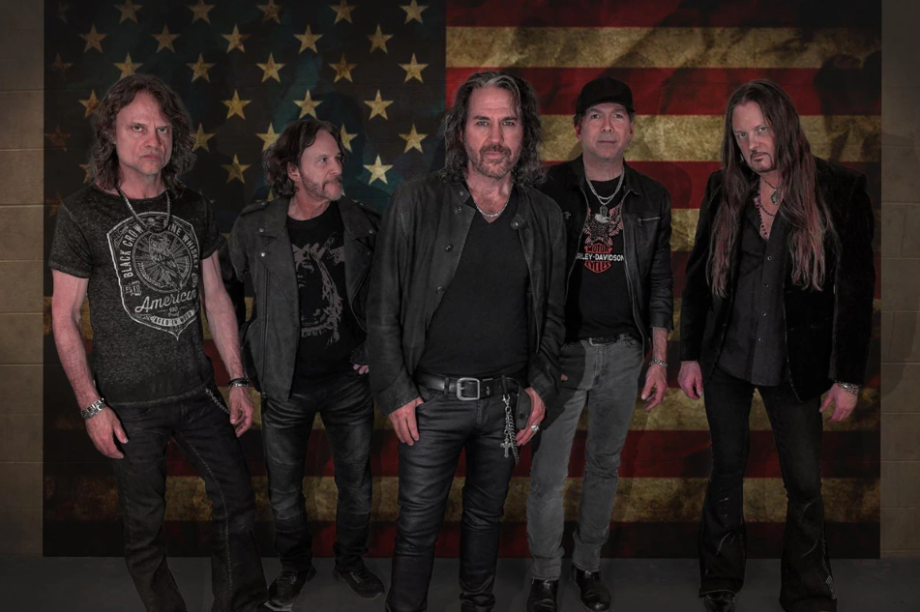
According to Wikipedia, Winger officially concluded their touring career on August 31, 2025, with a farewell performance at the Rainbow Bar and Grill in Los Angeles. The band’s goodbye included 2025 tours in Australia and Japan featuring the original lineup—Kip Winger, Reb Beach, Rod Morgenstein, Paul Taylor, and John Roth—marking their final international shows together. This comprehensive farewell allowed Winger to say goodbye to fans worldwide while preserving the integrity of their classic lineup.
Rather than extending the band’s legacy through repeated reunions, Kip Winger is redirecting his creative energy toward classical composition. As reported by Metal Wani, he has already earned a Grammy nomination and written a piece for the Nashville Symphony Orchestra—projects that now inspire him more than rock touring after more than three decades. This shift represents a natural progression for an artist whose classical training has always existed alongside his rock career.
Kip Winger has made it clear that this retirement signals a true conclusion to Winger’s touring era. Rejecting the trend of endless farewell tours, he is choosing to step away while the band can still perform at a high level. This decisive approach balances Morgenstein’s suggestion that the door remains slightly open for “occasional events” with Kip’s determination to move forward into new creative chapters on his own terms.