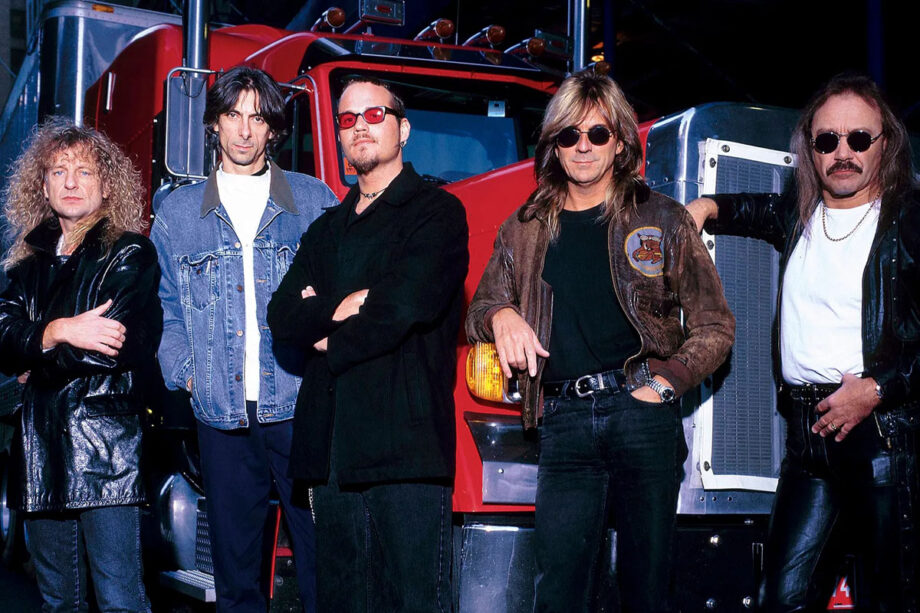
Former Judas Priest frontman Tim ‘Ripper’ Owens has launched a scathing critique of his former bandmates. He accuses them of deliberately erasing his era from major streaming platforms while simultaneously profiting from it through exclusive physical releases. Owens highlighted the glaring contradiction of Judas Priest’s decision to exclude his albums Jugulator (1997) and Demolition (2001) from streaming services like Spotify and Apple Music. Yet the band includes them in a recently released $500 box set.
“It makes no sense to not have them available to fans,” Owens stated bluntly. “Priest put ‘Jugulator’ and ‘Demolition’ in their box set that was available for purchase for $500. If someone wants to get ‘Jugulator’ — I mean, come on. That proves that they do have access to put it out, because they put it in that box set. But that’s their decision, and that’s fine.”
The controversy underscores a fundamental disconnect in how Judas Priest has managed Owens’ tenure with the band. The albums remain conspicuously absent from streaming platforms despite being commercially available in physical formats and on some digital retailers for purchase. This absence limits accessibility for new fans and casual listeners. Owens emphasized that this decision rests solely with Judas Priest, not with rights holders or third parties, making the band’s selective availability strategy all the more puzzling.

Owens has consistently argued that the streaming exclusion makes it difficult for new audiences to discover his era of the band. “Well, it’s hard to draw new fans to it when it’s not available on Spotify,” he explained. “You can find it on YouTube, I guess. Yeah, it sucks that they are not available on major streaming services.” This limitation stands in stark contrast to how other legendary metal bands have managed their catalogs. Bands like Iron Maiden have made their entire discography available on streaming platforms, which has helped maintain and revitalize their legacy among both longtime and new fans.
The irony of Judas Priest’s approach becomes even more apparent when considering the commercial viability of the material. When Owens performs songs from Jugulator and Demolition during his solo tours and appearances with KK’s Priest, the tracks resonate powerfully with audiences. “When I do these solo tours, I play ‘Jugulator’ and ‘Demolition’ songs, and they go over better than anything,” Owens noted. “When we played shows with KK’s Priest, when we did ‘Burn In Hell’, that song went over as good as anything.” This audience enthusiasm directly contradicts any suggestion that the material is outdated or commercially unviable.
Owens has speculated that the decision to keep his albums off streaming stems from the band’s desire to distance itself from his era. He attributes the move to what he characterizes as modern “wokeness” within the metal scene. “I don’t wanna hurt anybody’s feelings. I guess they’re upset by it, and they don’t like the idea of it being out there. I guess there’s ‘wokeness’ in metal as well, isn’t there?” he remarked. Rather than accepting this erasure passively, Owens has positioned himself as the custodian of his own legacy. He offers fans the opportunity to experience the material through his solo performances and live shows.

The absence of a comprehensive digital reissue or streaming box set for Owens’ era represents a missed opportunity for Judas Priest. A growing number of metal fans now champion Jugulator and Demolition as strong, innovative works within the band’s broader catalog. Yet these albums remain partially erased from the digital music landscape. This strategic exclusion from streaming platforms, combined with the premium pricing of physical box sets, creates an artificial scarcity. It benefits neither the band’s legacy nor the accessibility of the music to its audience.