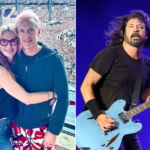



Steve Porcaro recently responded to long-standing claims about drug use among Toto members, offering his own perspective during an interview on The Roundtable with Drew.
In his remarks, Porcaro aimed to correct what he sees as exaggerated assumptions about the band’s lifestyle during its early years, particularly regarding the level of partying within Toto’s broader musical circle.
“I’ve seen some other interviews and we allude to all the partying and all that that was going on back in those days. And believe me, I don’t deny that, I was right there. I spent my time and all that,” Porcaro said. “But you know what? There were a lot of guys that weren’t doing any of that at all. There were Lee Sklar and David Foster and Bill Schnee. There were a lot of people that didn’t party at all, you know what I mean? That weren’t indulging at all, you know?”

The Toto co-founder stressed that stories about the band’s past often lack nuance and overlook the diversity of personalities and lifestyles within their community.
“So when people talk about the old days sometimes it seems to be painted with a real wide brush like it was all just all this constant debauchery going on. We had definitely had our share but and I don’t deny that,” he continued. “I just kind of wanted to say there were a lot of people who never, you know what I’m saying? And they were never excluded out of being our brothers either. You know what I mean? Just because they didn’t, you know, that was one cool thing about musicians in this community. Nobody was ostracized or whatever if they didn’t have the bad habits we had, you know.”
Porcaro’s comments echo earlier remarks made by Toto guitarist Steve Lukather, who previously dismissed rumors surrounding the band’s alleged cocaine use, calling such claims “grossly over, you know, exaggerated.”

Taken together, Porcaro’s reflections offer a more layered view of Toto’s internal dynamics during their formative years, a time when the group was building its reputation as one of rock’s most technically accomplished bands.
According to Simple English Wikipedia, Toto formed in Los Angeles in 1977 and rose to prominence in the early 1980s. Their most recognizable hit, “Africa,” was released in 1982. The band grew out of the Los Angeles session musician scene, with many members already well established as in-demand studio players before forming Toto. The era Porcaro references aligns with the band’s peak commercial success, when they were balancing the pressures of sudden fame with a commitment to musical credibility.
Oreate AI noted that Porcaro eventually stepped away from Toto in 1987 to focus on film and television scoring, contributing music to projects such as Justified and films including Dune.
Over the decades, Toto’s history has included both major successes and difficult losses, alongside numerous lineup changes. The musicians Porcaro referenced — Lee Sklar, David Foster, and Bill Schnee — were influential figures within the Los Angeles music scene who frequently collaborated with Toto during its most successful period. They exemplified the more disciplined, non-partying side of the group’s extended musical family.
Porcaro’s recent remarks suggest that Toto’s legacy has at times been clouded by sensationalized portrayals of excess. In reality, he emphasizes, their community included many professionals whose primary focus remained the music. His comments underscore the inclusive ethos within the band’s circle, where musicians were valued for their talent and dedication regardless of personal lifestyle choices.