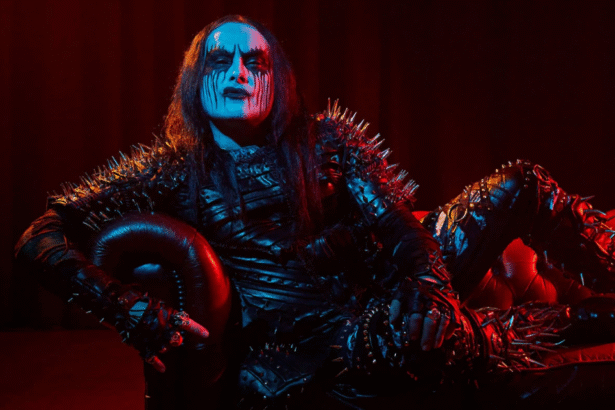



In a recent interview, W.A.S.P. frontman Blackie Lawless opened up about one aspect of the band’s legacy that he believes remains underappreciated: their dark sense of humor. When asked what people still don’t fully grasp about W.A.S.P.’s impact, Lawless explained that the band’s early approach was rooted in comedy rather than pure shock value. “Well, I think in the beginning we were we had a really dark sense of humor and we were doing what we thought was funny and come to find out people didn’t think it was so funny,” he said.
Lawless reflected on how time has changed perceptions of the band’s work. “I would say in the beginning it was a lot less understood than it is now. We’ve had 40 plus years to look back on it now to see it for what it was. But at the time it was different, and it was perceived differently.”
The disconnect between W.A.S.P.’s intentions and public perception has been a defining characteristic of the band’s four-decade career. What Lawless and his bandmates found hysterical often terrified audiences and critics alike. This created a cultural divide that shaped the band’s controversial reputation from the very beginning.

W.A.S.P. emerged in the early 1980s as one of the most provocative acts in rock music. The band built their identity on theatrical excess and dark comedy that audiences struggled to comprehend. Their approach was fundamentally different from shock rock for its own sake. Lawless has consistently maintained that they were entertaining themselves first and were genuinely surprised by how seriously people took their material. This self-aware provocation became the cornerstone of their artistic vision, blending heavy metal with visual spectacle in ways that challenged conventional rock norms.
The band’s stage shows featured raw meat, torture-rack imagery, and other theatrical elements that made them infamous. These performances drew intense censorship efforts and parental backlash throughout the 1980s.
The generational divide in how W.A.S.P. was received proved particularly stark during their rise to prominence. While a small percentage of their audience grasped the satirical intent behind their provocations, the majority viewed them as genuinely dangerous. The older generation saw W.A.S.P. as something that needed to be stopped. This led to the band becoming a focal point in the broader censorship movement of the era.

The misunderstanding extended beyond their live performances to their recorded material. Journalists and critics required years to fully comprehend what the band was attempting to accomplish when combining sight and sound in their presentations.
Despite the controversy and widespread misinterpretation of their artistic vision, W.A.S.P. sustained a loyal following. The band built a remarkable recording career spanning over 15 albums. Blackie Lawless remained the central creative force throughout, proving that the band’s dark humor and theatrical approach had genuine staying power. The band’s early classics became cemented in metal history, demonstrating that what seemed incomprehensible to mainstream audiences in the 1980s eventually earned recognition as a legitimate artistic statement.
Their 40-year journey transformed them from shock-rock pariahs into respected veterans of heavy metal. Lawless continues to tour and create new material well into the 2020s.
Looking back with perspective, Lawless has become more reflective about W.A.S.P.’s place in rock history. He connects the band’s provocative early years to deeper themes of artistic expression, societal fear of the unconventional, and the evolution of cultural understanding. The band’s legacy now stands as a testament to the power of dark humor and theatrical presentation in metal music. What audiences initially rejected as dangerous often contained layers of intentional satire and self-aware commentary that only became apparent with time and distance.