


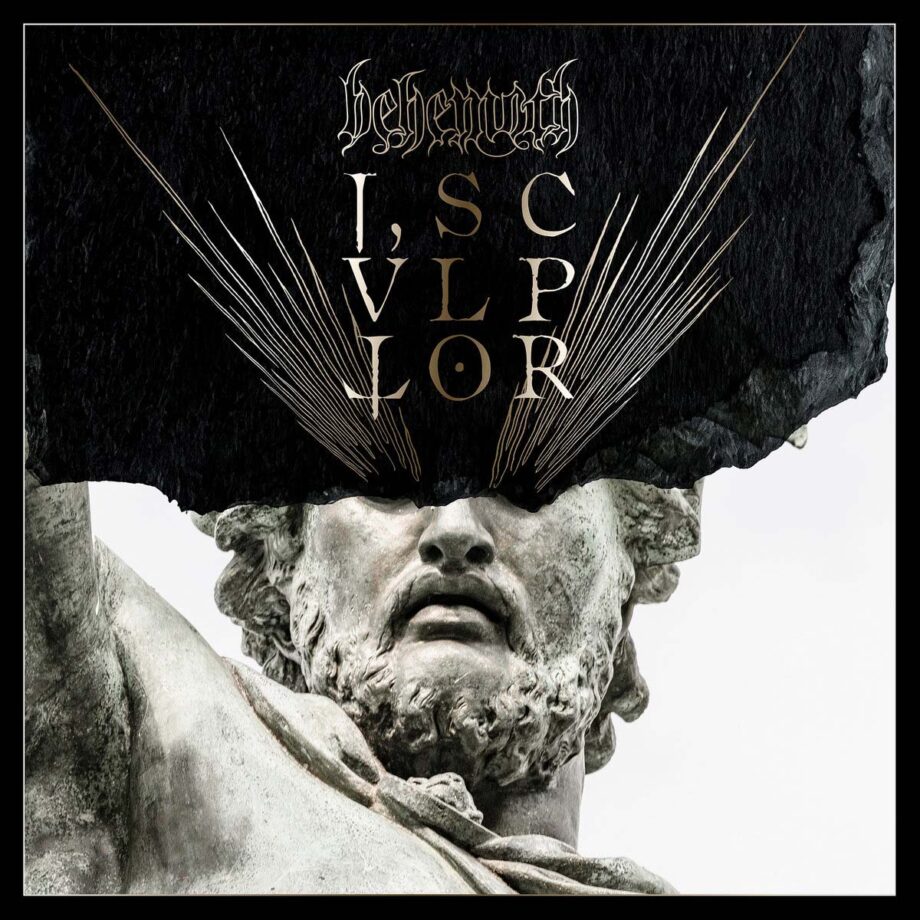
Behemoth’s I, Scvlptor arrived on 4 September 2026 as an official release, not a rumor or leak. I see it as a short transitional work that shows where the band stands without functioning like a typical full-length album.
The record received a worldwide physical release through Massacre Records, with pre-orders and artwork appearing months before its September release. It followed other Behemoth activity in 2026, which gives it the feel of a link between different periods in the band’s career rather than a complete change of direction.
I, Scvlptor does not fit neatly into Behemoth’s usual album format. It is neither a standard studio record nor simply a collection of unused material, making it more concerned with continuity and reflection than with expansion.

The sound reaches back toward Behemoth’s black metal roots while keeping the polished production associated with the band’s current work. Re-recordings, a live track, and newer material connect different parts of the group’s history instead of opening a completely new stylistic chapter.
The track order gives the record a retrospective feel. Older ideas sit beside newer material and covers that highlight Behemoth’s musical lineage, creating a unified release even though it does not follow the structure of a conventional studio album.
The songs are strong and carefully performed within that format. I do not hear a major stylistic leap here; instead, the record reinforces Behemoth’s established identity through dark textures, disciplined playing, and familiar themes without sounding like a collection of castoffs.

The album works as a compact, transitional release for both longtime followers and newer listeners exploring the band’s catalog. Its strongest appeal lies in the harsher, more black-metal-focused side of Behemoth, which remains central throughout the record.
I, Scvlptor is less a reinvention than an example of how an established extreme metal band can use a shorter release to manage its history, timing, and audience expectations. Behemoth reaffirms its core identity here while keeping the presentation current.
For modern metal and metalcore listeners, the record’s value lies in its controlled production, atmosphere, precision, and dramatic arrangements. Even without breaking new ground, it shows how extreme metal can connect its older traditions with a contemporary sound.