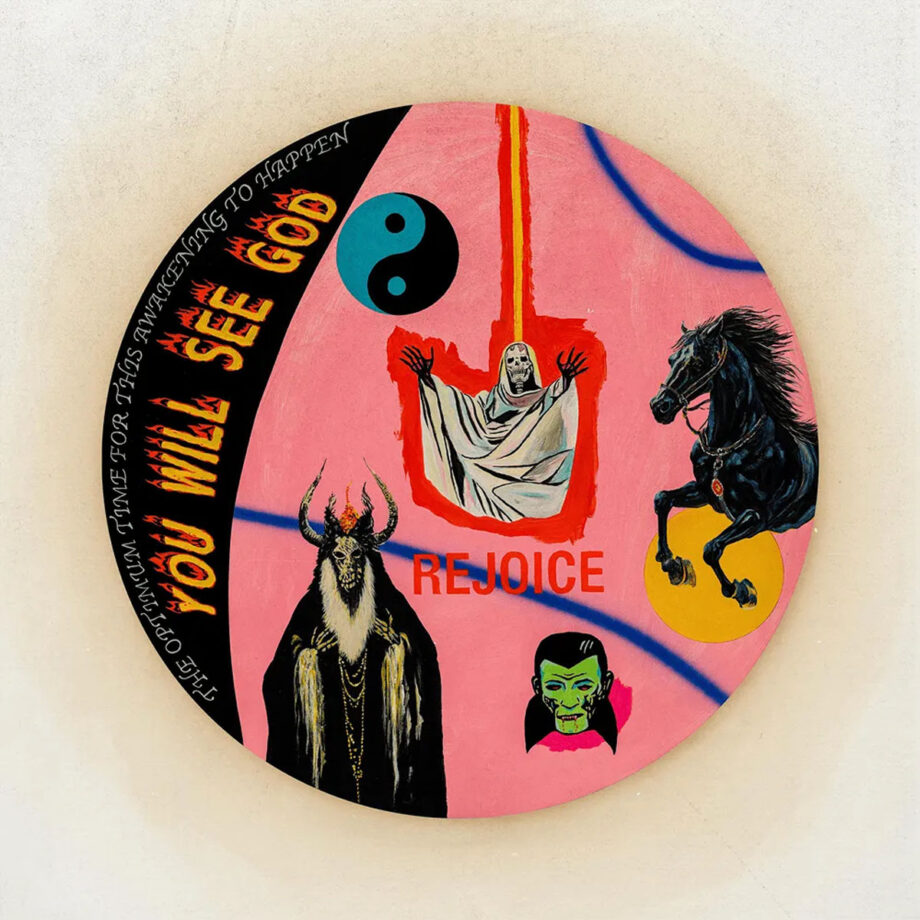
Statica is another sharp turn from a band that has never stayed still for long. Avenged Sevenfold have built their career on reinvention, and this EP lands as one of their most disorienting moves yet — not because it fails, but because it refuses to be comfortable.
The timing says a lot. The band’s post-Hail to the King years have been defined by risk and a willingness to lose listeners along the way. Statica doesn’t soften that tendency. If anything, it leans harder into it.
The most talked-about element is the production. Autotune is everywhere, and the sonic direction is deliberately blurry. There’s no clean genre label to attach to this record, and that seems entirely intentional.

This isn’t a band that accidentally made something hard to categorize. The textures feel chosen, the ambiguity feels engineered. Whether that’s a strength or a weakness depends entirely on what you want from Avenged Sevenfold.
Critical response has been all over the place. Some outlets have called it their most extreme release to date. Others have written it off as a mess. There’s no consensus, and that split is itself the story.
Not every reaction has been negative, though. A portion of listeners are treating Statica as a reset — rough, uneven, but pointing somewhere new. That’s a minority view, but it exists.

Fan reaction has been harsher. The autotune and the lack of a clear identity have frustrated a large part of the existing audience. The EP has become a flashpoint for a fanbase that was already divided long before this release.
For metal and metalcore listeners, Statica is worth paying attention to — not because it’s a great EP, but because it raises a real question. Can a legacy band keep pushing into experimental territory without losing the people who made them relevant? Avenged Sevenfold haven’t answered that yet. They’ve just made the question louder.