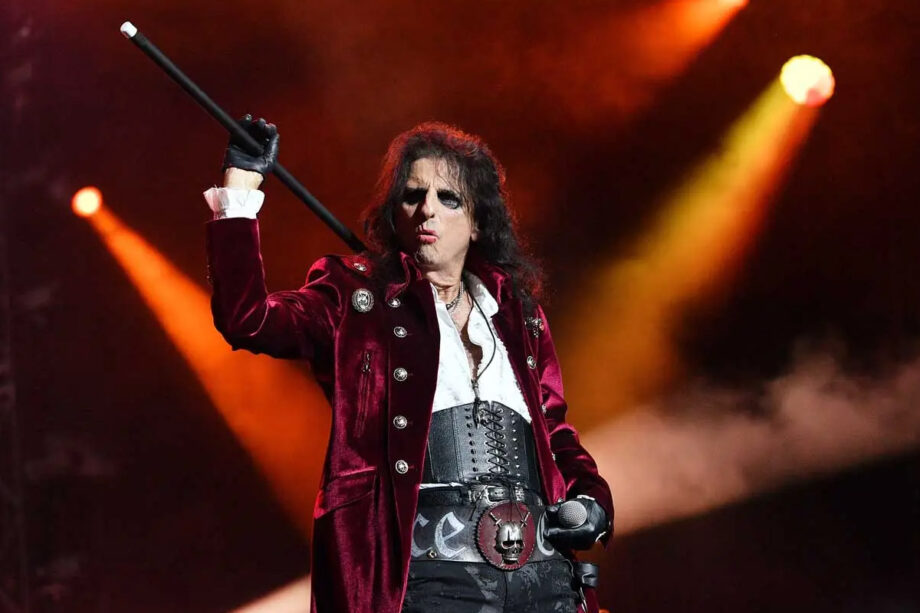
Rock legend Alice Cooper has opened up about his biggest fear, revealing a striking contrast to his fearless stage persona. When asked what scares him most after five decades of terrifying audiences, Cooper didn’t hesitate: needles. “I can put my head in a guillotine. I can put a 15 foot boa constrictor around my neck. But a blood test? I go right out,” he explained in a recent interview.
The shock rocker’s admission extends beyond medical procedures. Cooper revealed that his needle phobia has shaped major life decisions, including his choice to remain completely tattoo-free throughout his entire career. “I don’t have one tattoo. Because needles and I don’t get along at all,” he stated.
This revelation underscores a fascinating paradox in Cooper’s public image. For over fifty years, the artist has built his reputation on creating shock and terror through elaborate stage productions. These productions include guillotine props and live snake performances. Yet behind the theatrical darkness lies a man with a very human vulnerability that has persisted throughout his entire career.

Cooper’s needle phobia falls into a category of fear that affects countless individuals worldwide. The clinical term for this condition is trypanophobia, an intense and irrational fear of needles and injections. This fear goes far beyond normal discomfort. Trypanophobia is recognized in the DSM-5 as a legitimate anxiety disorder that can trigger overwhelming dread and avoidance behaviors.
The condition manifests differently across individuals. Some experience mild anxiety, while others have severe panic responses. For those with trypanophobia, the prospect of blood draws, vaccinations, or any medical procedure involving needles can become a significant obstacle to receiving necessary healthcare. The fear response is involuntary and often disproportionate to the actual danger posed by the needle itself, making it a genuine psychological challenge rather than simple squeamishness.
Cooper’s openness about his phobia adds a human dimension to his larger-than-life persona. While he has spent decades cultivating an image of fearlessness and darkness on stage, his admission reveals that even the most theatrical and daring performers are not immune to genuine anxiety. The contrast between his willingness to perform with live snakes and his aversion to needles demonstrates how phobias operate independently of a person’s overall courage or comfort with risk.

This vulnerability has likely resonated with fans and observers who recognize their own fears reflected in the rock icon’s confession. Cooper’s needle phobia serves as a reminder that fear is universal and deeply personal, affecting people regardless of their public image or professional accomplishments.