


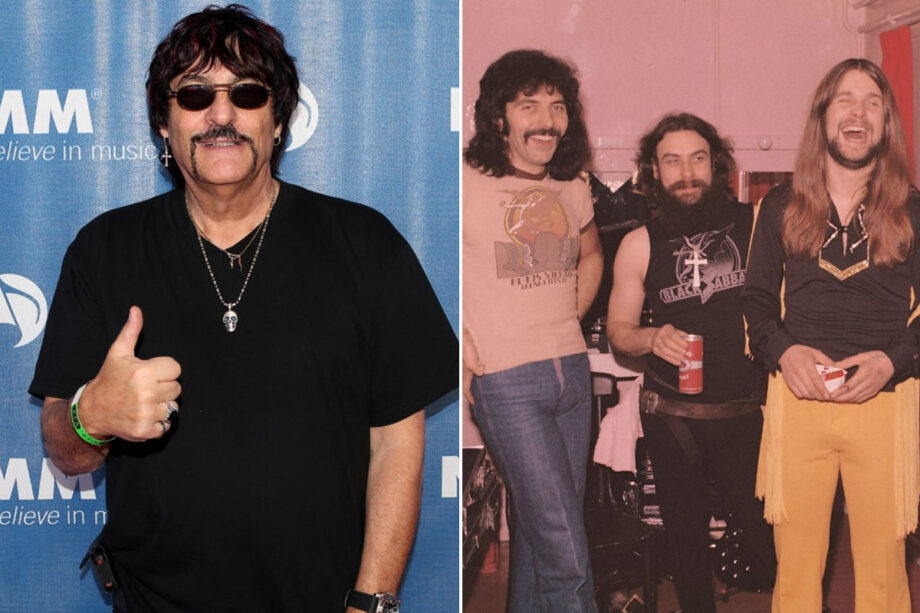
Legendary drummer Carmine Appice recently shared his thoughts on why he believes Black Sabbath should not be classified as a heavy metal band, despite their widespread recognition as pioneers of the genre.
“Sabbath was not a heavy metal band. Sabbath was a rock hard rock band just like Cactus,” Appice said. “We play gigs with them. They weren’t heavy. They weren’t heavy.”
“It was hard rock. It’s like Led Zeppelin. They were as heavy as Led Zeppelin, you know,” he continued. “I don’t know. It was all hard rock. It was all hard rock. I don’t know where this label Heavy metal came in.”

“You look at everybody. You look at Mötley Crüe, they weren’t heavy metal,” Appice added. “You know what heavy metal was? Metallica. And the guitar sounds turned into that uh real heavy grungy kind of what do you call it? I don’t know. The crunch. The crunchy kind of good way of saying where the bass drums followed the guitar. That’s the heavy metal.”
“They were all heavier. The guitars were just heavier. But it was all the same that quarter notes on the bass drum, you know,” he explained. “The bass drum followed the bass, you know. But when you change to that guitar grungy, what do you call chainsaw kind of sound and the bass drums are following the guitar, it’s a whole different deal, you know? It’s a whole different vibe.”
Appice also noted that when his band Cactus played with Black Sabbath, both bands had a similar sound. “You know, we sounded just as heavy as they did, you know. But later on, they started calling Sabbath heavy metal. So they got like more d-tuned the guitars and you know but it was still hard rock, heavy hard rock, you know, it’s my own opinion. Maybe I’m crazy,” he said.

Appice’s perspective carries weight given his own storied career. He first gained recognition as the drummer for Vanilla Fudge. He later co-founded Cactus, a band that helped shape the heavy riff-driven sound of the late 1960s and early 1970s. His work alongside guitarists like Jeff Beck in Beck, Bogert & Appice further cemented his reputation as a foundational figure in hard rock. His distinction between early heavy rock and later metallic sounds reflects a generational understanding of how the genre evolved over time. This understanding comes from his experience in that era.
The term “heavy metal” itself has a complex history. The phrase existed in other cultural contexts before it was ever applied to rock music. Music critics and fans began using the label in the late 1960s and early 1970s. They used it to describe the darker, louder, and more aggressive sound emerging from bands like Black Sabbath. The band’s downtuned guitars, ominous lyrical themes, and heavy emphasis on low-end riffs became central to the genre’s identity. The word predates the band. However, Black Sabbath remains the primary reference point for the genre’s birth in rock.
Mainstream music history has long identified Black Sabbath as one of the pioneering heavy metal bands. Their 1970 self-titled debut album is widely regarded as the blueprint for the genre. Follow-ups like “Paranoid” cemented this status. However, some musicians and listeners continue to describe Sabbath as hard rock. They especially emphasize their blues-based song structures and early 1970s sound. This ongoing debate highlights the blurred lines between hard rock and heavy metal. The two genres share a common lineage. They branched off in different directions.
Appice’s argument centers on the sonic evolution of guitar tones and drum patterns. He pointed to the “crunchy” and “chainsaw” style guitar sounds that emerged with bands like Metallica. In those bands, the bass drums followed the guitar riffs in a synchronized assault. That approach created a completely different vibe. It differed from the quarter-note bass drum patterns that characterized the earlier hard rock era. For Appice, the shift in guitar texture and rhythmic coordination is what separates heavy metal from its hard rock predecessors.
“I don’t know. Maybe I’m crazy,” Appice said, acknowledging the controversial nature of his take. Whether listeners agree or disagree, his comments have reignited a long-standing discussion about where the line between hard rock and heavy metal truly lies.